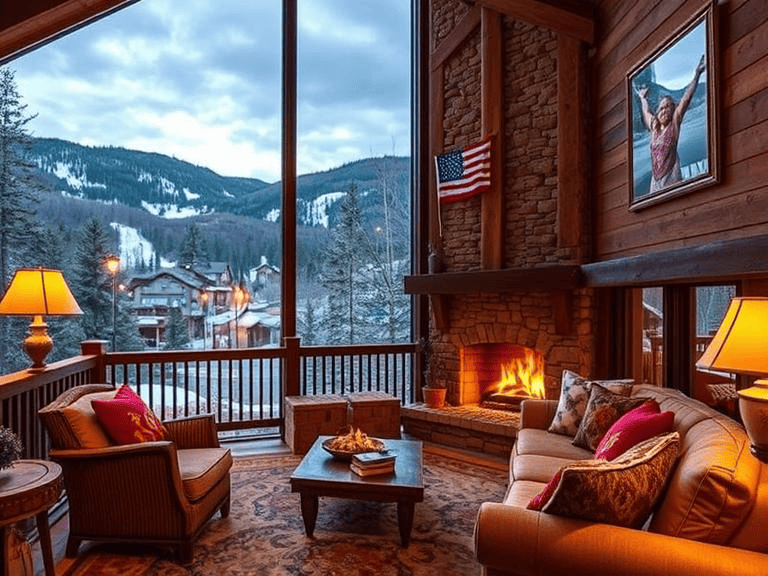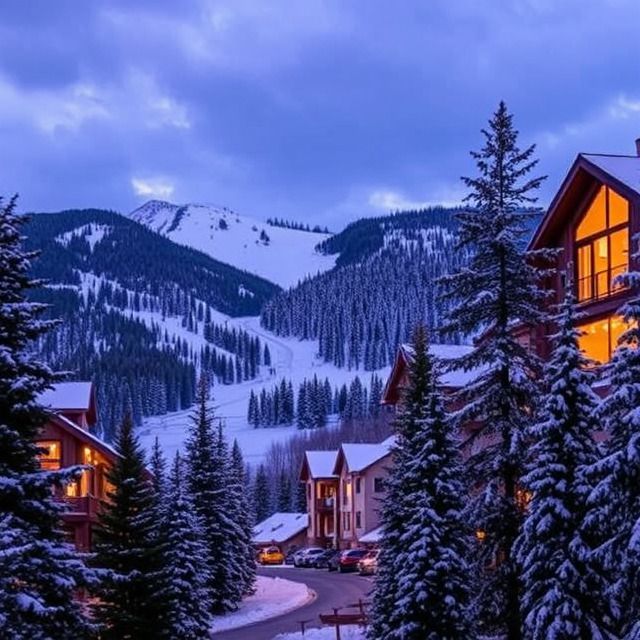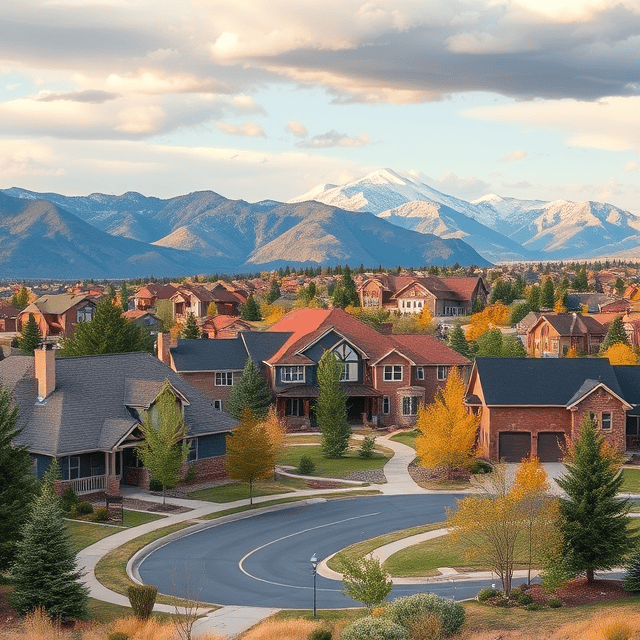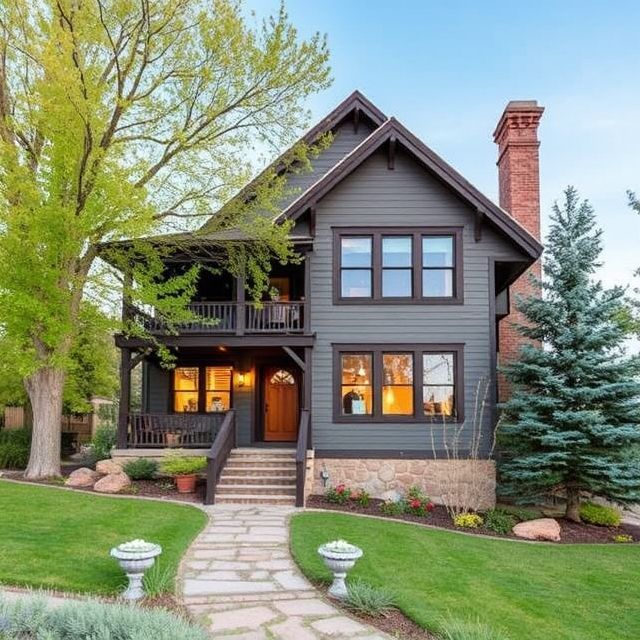
Lifestyle Match:
Denver stands out for sports fans because major league venues, college athletics, and active outdoor recreation all shape everyday lifestyle choices across the city. The best neighborhood fit depends on whether your ideal routine centers on walkable game-day access, year-round sports culture, outdoor participation, or a balanced mix of all three.
Denver’s sports culture becomes most valuable when it shapes where and how you live, not just how you spend game day. For buyers considering living in Denver, that constant game-day atmosphere can quietly become one of the most meaningful factors behind where they choose to live.
Denver earns this reputation because very few U.S. cities combine all four major professional leagues, a walkable downtown stadium district, elite college athletics, and a genuine outdoor sports culture in one place. Within roughly a one-mile downtown radius, fans can access multiple major venues with unusual ease, making the sports lifestyle here feel embedded into everyday living rather than limited to occasional events.
Why Location Matters More in Denver Than Other Sports Cities
Many cities have strong teams. Fewer cities make attending games feel effortless.
Denver’s downtown concentration of venues means fans can move between Ball Arena, Coors Field, and Empower Field with relative ease compared with sprawling sports metros. The compact layout supports pre-game dining, post-game nightlife, and a stronger sense of community around major events.
The practical tradeoff is that not every Denver neighborhood gives the same sports-fan lifestyle return. If someone prioritizes live attendance, downtown-adjacent districts and connected neighborhoods typically outperform outer suburban options. If the goal is a quieter residential experience with occasional game access, other areas may make more sense.
This is also why some of Denver’s most recognized professional athletes choose highly desirable residential enclaves that still keep them close to the city. Nikola Jokić, for example, is widely associated with Cherry Hills Village, a neighborhood known for privacy, prestige, and convenient access to downtown Denver. That pattern shows how sports-centered lifestyle preferences can overlap with luxury neighborhood choice for high-profile residents, as seen in Nikola Jokić’s Denver house.
The smarter decision comes from understanding how often sports attendance is actually part of your lifestyle instead of assuming “Denver” as a whole offers the same experience everywhere. That distinction is exactly where buyers often make mistakes.
A City Built Around Constant Sports Energy
If sports are central to how you spend your free time, the right Denver neighborhood can deliver a much stronger lifestyle return than buyers often expect.
The city supports the Denver Broncos, Denver Nuggets, Colorado Avalanche, Colorado Rockies, Colorado Rapids, and even newer growth through Denver Summit FC. That depth matters because it creates a true four-season sports calendar. Football dominates the fall, basketball and hockey carry the winter, baseball defines summer, and soccer keeps the city engaged across multiple seasons.
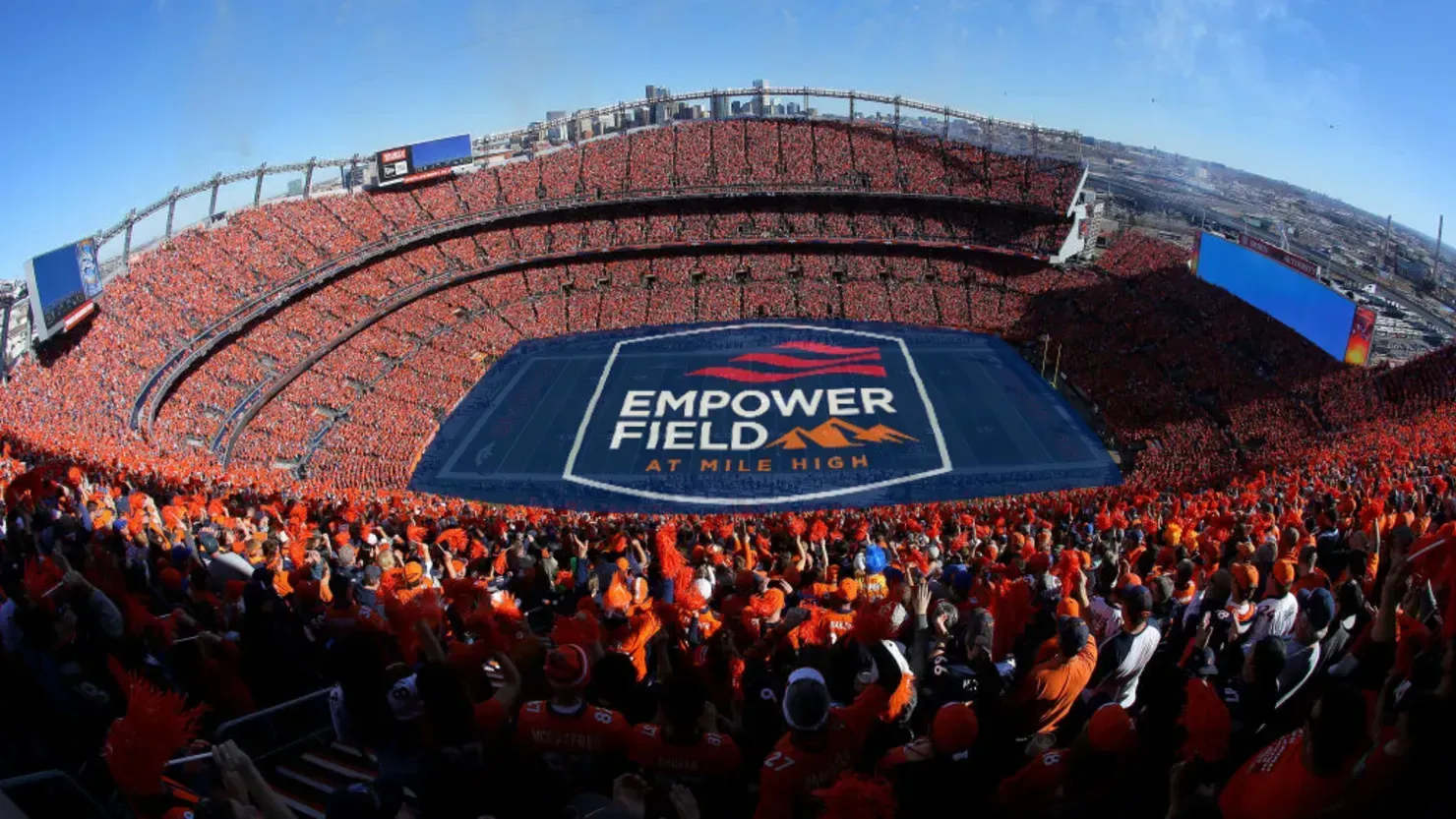
Denver’s sports identity is strengthened by franchises with proven staying power. The Broncos built one of the NFL’s most loyal fan cultures, the Avalanche carry a championship legacy in hockey, and the Nuggets’ recent title run deepened year-round basketball relevance across the city. This history of success matters because it reinforces civic pride and strengthens the long-term appeal of sports-linked neighborhoods.
For buyers, this means the sports lifestyle stays relevant year-round instead of peaking for only one season. Neighborhoods tied to downtown venues, LoDo nightlife, or even Highlands access points can continue to feel active and socially connected across the calendar.
In our work with relocation-focused buyers, we’ve seen sports-centered lifestyle preferences heavily influence neighborhood choices, especially among buyers who value walkability, social venues, and event access. That matters because the right location in Denver can turn game-day traffic into a short walk instead of a logistical headache.
The Mile High Advantage Makes the Experience Feel Bigger
Denver sports are also shaped by something genuinely unique: altitude.
The city’s 5,280-foot elevation is not just branding. It changes the atmosphere inside venues, the way games are discussed, and the identity of home-field advantage. Visiting teams openly prepare for the physical demands of competing in Denver’s thinner air, which has become part of the mythology and realism of the fan experience.
For fans, that creates a stronger emotional environment.
Broncos games feel louder because altitude is part of the story. Nuggets and Avalanche playoff runs feel more intense because national broadcasts repeatedly emphasize the Mile High factor. This gives Denver fans something many cities cannot replicate: an environmental edge that becomes part of civic identity.
Denver Sports Extend Beyond the Pros
A common mistake is assuming Denver’s sports culture starts and ends with pro teams. That misses the broader ecosystem.
The University of Denver brings nationally respected NCAA programs, particularly in hockey and skiing, adding another layer for fans who appreciate college competition.

Beyond that, Denver’s culture naturally blends spectator sports with active participation. Residents move from watching the Broncos on Sunday to skiing, cycling, trail running, golf, or rec-league competition the next day. That active lifestyle loop makes the city particularly compelling for fans who do not just watch sports but build their routines around them.
This local context matters because Denver’s climate, altitude, and mountain access make sports part of the lifestyle economy, not merely entertainment. That same lifestyle-driven appeal is also pushing more people to explore beyond the usual hotspots and into neighborhoods where outdoor access and community life are even more in sync. See which ones stand out in Colorado’s Secret Treasures neighborhoods.
Which Denver Sports Lifestyle Fits You Best?
If Game-Day Access Is Your Priority
Buyers who attend Nuggets, Avalanche, Broncos, or Rockies games regularly will usually get the strongest lifestyle return from downtown-adjacent neighborhoods like LoDo and nearby connected districts, where walking to Ball Arena, Coors Field, or Empower Field is realistic. The premium often makes sense because it converts traffic, parking, and post-game logistics into part of the lifestyle rather than a recurring frustration.
If You Want Privacy but Still Stay Connected
For buyers who love Denver sports culture but do not need to live in the middle of downtown crowds, Cherry Hills Village offers a better fit. This is the same lifestyle logic that explains why high-profile athletes like Nikola Jokić are widely associated with the area: privacy, prestige, and still practical city access.
If You Care More About Playing Than Watching
Some buyers are less focused on stadium proximity and more interested in skiing, cycling, golf, trail running, and rec-league culture. In those cases, neighborhoods with stronger mountain access, trail systems, and active-lifestyle amenities may outperform venue-adjacent districts.
If You Only Attend Games Occasionally
If attending live games is more seasonal than routine, paying the premium for downtown stadium adjacency may not create enough lifestyle value. A quieter residential district with easier highway access can often deliver better long-term satisfaction.
Why Sports Fans Often Stay Long-Term
The real reason Denver works so well for sports fans is retention.
People come for one team and stay because the city offers a complete sports identity.
The tradeoff is cost. Sports-centric, amenity-rich neighborhoods can command stronger demand, and buyers who ignore event traffic patterns, seasonal crowd density, and walkability often regret the decision later. Based on experience, the smarter move is choosing a location that supports your real fan habits rather than chasing a generic “good area.”
A downtown condo near multiple venues offers a completely different sports lifestyle than a foothills property with weekend-only access. That difference should guide the decision.
According to VISIT DENVER, the city’s downtown core places three professional sports stadiums within a one-mile radius, one of the strongest urban sports layouts in the country.
Frequently Asked Questions
Which Denver neighborhoods are best for sports fans?
Downtown-adjacent neighborhoods and connected districts typically offer the easiest access to Ball Arena, Coors Field, and Empower Field. These areas are ideal for buyers who want walkable game-day convenience, nightlife, and a stronger sense of sports-centered community.
Do successful sports franchises affect neighborhood appeal?
Yes. Areas near long-established venues often benefit from stronger lifestyle demand because franchise success reinforces local pride, year-round activity, and nearby entertainment growth. In Denver, this often makes sports-linked districts feel more desirable over time.
Where do some Denver professional athletes choose to live?
Many high-profile athletes prioritize privacy, prestige, and easy city access. Nikola Jokić is widely associated with Cherry Hills Village, which reflects why luxury enclaves near Denver remain attractive for professional players.
Is living near Denver stadiums worth the premium?
It depends on how often live attendance is part of your actual routine. Buyers who attend games frequently often justify the premium through walkability and convenience, while occasional attendees may get stronger value from quieter neighborhoods with easier city access.
Before You Decide
If you are serious about sports as part of your lifestyle, Denver is one of the most complete cities in America for it.
The better decision is not simply choosing Denver because it is a strong sports city. It is choosing the part of Denver that best fits how you actually want to live, whether that means walkable access to major venues, more privacy with reasonable city access, or a neighborhood that aligns better with active outdoor recreation than stadium proximity. If you are ready to take that next step, explore how to buy a property in Denver with the right local guidance.
Click to Share