
Glenwood Springs
Luxury Real Estate
Securing Property in a Naturally Constrained River Valley Market
Glenwood Springs, CO, Real Estate Market Snapshot
Luxury Market Snapshot — Glenwood Springs, CO
Latest Available Data:
February 2026
Active inventory:
36
Closed sales: 7
Median $/sq ft: $409.6
Median DOM:
95
Median sale price: $564,000
Months of supply:
3.7
Market posture: Seller-leaning
Want a complete look into the most recent market data? Check out our Monthly Summit Colorado Realty Market Report.
A Market Shaped by Access, Geography, and Measured Growth
Glenwood Springs operates within a different rhythm than Colorado’s resort-driven luxury enclaves. It is not defined by exclusivity alone, but by a balance of livability, constrained geography, and steady long-term demand tied to both local and regional drivers.
Inventory is influenced first by the valley itself. Positioned between canyon walls and bounded by public land, Glenwood Springs has limited room to expand outward. Development occurs in pockets rather than at scale, which naturally tempers supply. The result is a market where well-located properties remain in relatively short supply, particularly those offering views, privacy, or convenient access to town and I-70.
Demand is layered. Buyers include local residents, Roaring Fork Valley commuters, and second-home owners seeking proximity to outdoor recreation without Aspen-level pricing. This creates a market that is both practical and quietly competitive, where timing and positioning often matter more than aggressive negotiation.
Properties here tend to be held longer. Many owners view Glenwood Springs as a place to live rather than a purely transactional asset, which reinforces lower turnover in established neighborhoods and increases competition when quality inventory becomes available.
Seasonality brings visibility, but the housing market is less dependent on tourism cycles and more influenced by regional migration and lifestyle shifts. Pricing reflects positioning above all else. Elevation, sunlight, views, and access can carry as much weight as the home itself.
For buyers, understanding how the town functions beneath the surface can shape better outcomes. Glenwood Springs rewards a steady, well-informed approach grounded in long-term perspective.

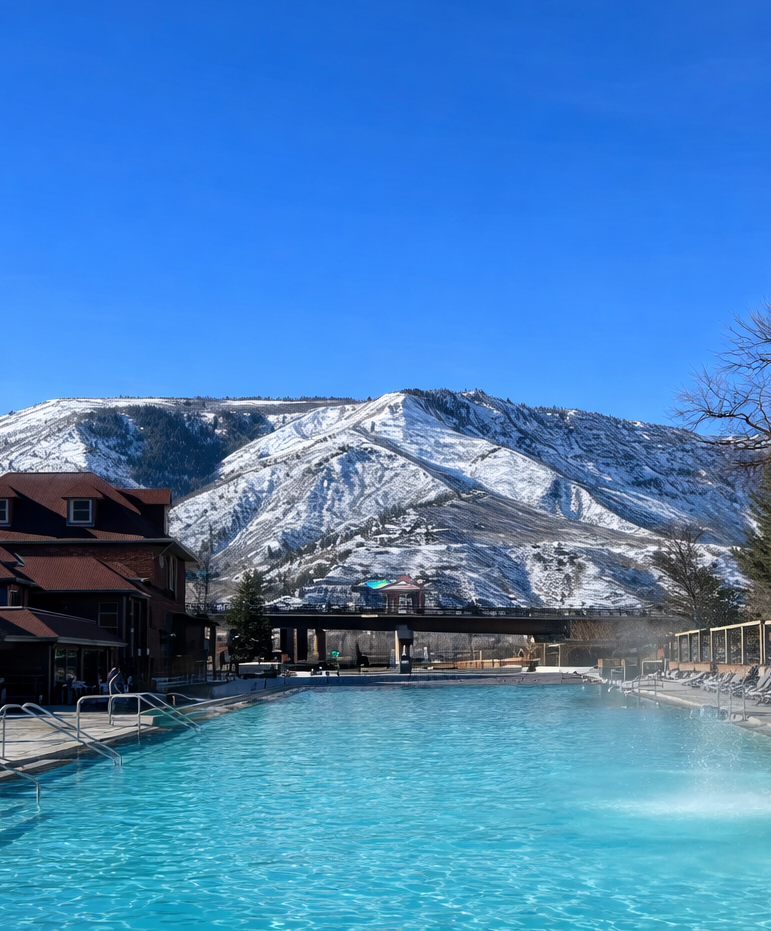
Glenwood Springs Neighborhoods & Communities
Glenwood Springs offers a grounded approach to mountain living, where lifestyle is shaped by access, setting, and everyday livability. The town blends natural beauty with a strong sense of community, creating neighborhoods that feel both practical and quietly distinctive.
From hillside homes with expansive valley views to established areas closer to downtown, each neighborhood offers a different balance of privacy, convenience, and long-term value. Understanding these differences is key, as even small shifts in location can meaningfully impact both lifestyle and future positioning.
Looking for a luxury home in Glenwood Springs?
Contact our team
today for access to private listings and expert guidance from top
Glenwood Springs luxury specialists.
The Glenwood Springs Luxury Buyer Profile
Who Moves Here — and Why
Glenwood Springs attracts a more grounded and practical buyer profile, shaped less by prestige and more by lifestyle alignment, regional access, and long-term livability.
Many buyers are either local to Colorado or relocating within the state, often coming from higher-priced markets such as Aspen or other parts of the Roaring Fork Valley. For some, Glenwood Springs represents a primary residence with better value relative to surrounding resort communities. For others, it is a strategic choice that balances proximity to outdoor recreation with a more sustainable cost of ownership.
Buyers here tend to prioritize function alongside setting. Access to town, commute considerations, sunlight exposure, and year-round usability often carry as much weight as views or architectural design. Properties that offer a balance of privacy and convenience, particularly those with strong positioning within established neighborhoods, tend to attract the most consistent demand.

Financing is more common than in ultra-luxury resort markets, though well-prepared buyers still hold an advantage. Competitive situations do arise, especially for well-priced homes in desirable locations, where timing and decisiveness can influence outcomes.
There is also a clear segmentation within the market:
- Some buyers seek move-in-ready homes that support full-time living with minimal updates.
- Others pursue properties with long-term upside, whether through renovation, land value, or future appreciation tied to the area’s steady growth.
- A smaller segment approaches Glenwood Springs as a secondary home market, drawn by its accessibility and proximity to higher-end resort areas without the same level of entry cost.
What defines this market is practicality paired with intention. Buyers are typically informed, measured, and focused on how a property will function in daily life rather than purely as a statement asset.
Understanding this profile matters. It influences pricing strategy, negotiation dynamics, and how opportunities are positioned as they come to market.
Glenwood Springs is steady, competitive in its own right, and rewards those who approach it with clarity and realistic expectations.
Continue Your Search Across Colorado
Want to weigh your options? Explore how each market compares before making a decision.
Strategic Considerations Before Entering the Glenwood Springs Real Estate Market
What Buyers Evaluate Early
Entering the Glenwood Springs real estate market requires more than identifying a well-located home. While more accessible than resort-driven markets, acquisitions here still involve geographic, infrastructural, and long-term ownership considerations that can materially impact both lifestyle and value over time.
Buyers exploring opportunities in Glenwood Springs benefit from evaluating these variables early, before narrowing in on a specific property.
Zoning, Land Use, and Development Patterns
Glenwood Springs zoning and surrounding county regulations are less restrictive than Aspen, but still play a meaningful role in how properties can be used, expanded, or redeveloped. Hillside construction, lot coverage, and neighborhood-specific guidelines can all influence what is feasible long term.
In many areas, value is tied not just to the home itself, but to its positioning within the valley. Understanding what can be built nearby, how density may evolve, and where development is limited helps preserve both privacy and long-term desirability.
Buyers considering future improvements should evaluate site constraints, permitting timelines, and local development trends early in the process.
Terrain, Access, and Year-Round Usability
Glenwood Springs is defined by its terrain. Elevation, road access, sun exposure, and seasonal conditions can all influence daily livability and long-term maintenance.
Homes in hillside or more remote settings may offer stronger views and privacy, but can come with tradeoffs related to winter access, grading, and infrastructure. Properties with favorable positioning often command stronger demand due to ease of use throughout the year.
Approaching these factors proactively helps align property selection with lifestyle expectations.
Market Liquidity and Holding Horizon
The Glenwood Springs market operates with more consistency than volatility, but inventory remains limited enough that timing still matters. Well-positioned homes tend to move efficiently, while more niche properties may require longer exposure.
Buyers should approach acquisitions with a clear holding horizon. While the area benefits from steady regional demand and long-term growth patterns, it is not typically a short-term speculation market.
Positioning decisions are best made with durability in mind rather than immediate return expectations.
Short-Term Rental Considerations
Short-term rental regulations in Glenwood Springs vary by zoning and property type, with specific licensing and compliance requirements in place. Not all properties are eligible, and enforcement has become more structured over time.
Buyers evaluating income potential should review current guidelines early, particularly if rental flexibility is a priority. In many cases, properties are still acquired primarily for full-time living or long-term use rather than maximizing short-term yield.
Insurance & Environmental Risk Considerations
Properties in Glenwood Springs carry environmental considerations tied to terrain, weather patterns, and regional risk factors. Wildfire exposure, drainage, snow load, and rebuild costs all influence insurance availability and long-term ownership planning.
Infrastructure also varies by location. Water, sewer, and road maintenance can differ between neighborhoods and more rural areas, which should be evaluated as part of due diligence.
Addressing these elements early supports a smoother acquisition process and more informed decision-making over time.
Ready to buy or sell in Glenwood Springs?
Contact us today for a free consultation!
Expect a response within the next business day.
Contact Us
Who Glenwood Springs Luxury Real Estate Is Not For
Clarifying Alignment in a Steady Market
Glenwood Springs is not built around rapid appreciation cycles, high-volume turnover, or purely speculative entry.
Buyers entering this market primarily for short-term resale margins or aggressive yield expectations may find better alignment in more volatile or investor-driven markets. While Glenwood Springs benefits from consistent demand, pricing is shaped by livability, regional growth, and limited but steady inventory rather than sharp upward swings.
This is also not a market suited for passive decision-making. Well-positioned homes, particularly those with strong views, access, or location within established neighborhoods, tend to attract timely interest. Buyers who are unprepared or slow to act may miss opportunities when the right property surfaces.
Investors seeking maximum short-term rental yield without regard for local regulations may also encounter limitations. Zoning and licensing requirements play a role in how properties can be used, and not all homes are positioned for high-turnover rental strategies. In many cases, ownership here is more closely tied to full-time living or long-term use.
Glenwood Springs is best suited for buyers who value:
- Practicality over prestige
- Consistency over volatility
- Livability over speculation
- Long-term stability over short-term movement
The Glenwood Springs market rewards alignment. When expectations match how the market actually functions, outcomes tend to be more stable, predictable, and ultimately more rewarding.
Clarity at the outset protects both timing and long-term satisfaction.
Glenwood Springs Real Estate Investment Perspective
Long-Term Value in a Steady Growth Market
Glenwood Springs real estate behaves less like a speculative market and more like a stable, regionally supported asset class.
Geographic constraints within the valley, combined with measured development patterns, limit how quickly supply can expand. While not as tightly restricted as resort markets, this natural containment still plays a meaningful role in supporting long-term value across well-positioned properties.
Short-term fluctuations can occur, often tied to broader economic conditions or interest rate shifts. However, pricing in Glenwood Springs is generally reinforced by consistent demand from local residents, in-state migration, and its position within the broader Roaring Fork Valley.

Buyers evaluating Glenwood Springs real estate investment opportunities typically approach acquisition with a practical, long-term horizon. Many prioritize:
- Portfolio stability through tangible real estate
- Access to a growing regional corridor
- Primary or dual-use flexibility
- Lifestyle alignment alongside value preservation
Liquidity differs from more volatile housing segments. Well-priced homes in desirable locations tend to move efficiently, while more niche properties may require longer exposure depending on positioning and condition.
Homes with strong fundamentals, such as favorable access, views, usable land, and proximity to town, consistently attract attention. These characteristics tend to hold value over time, even as market conditions shift.
It is important to recognize that Glenwood Springs ownership is rarely driven by yield alone. While rental opportunities exist where permitted, most acquisitions are grounded in long-term use, stability, and overall quality of life.
For buyers aligned with that perspective, Glenwood Springs offers a durable and balanced real estate environment within Western Colorado
Explore Glenwood Springs Luxury Real Estate with Confidence.
We provide market insight, property access, and disciplined acquisition strategy for buyers aligned with Glenwood Springs’ long-term value environment.
Comparing Glenwood Springs Property Types
Choosing the Right Structure for Your Objectives
Not all Glenwood Springs real estate performs or functions the same way. Property type often influences livability, maintenance, flexibility, and long-term positioning as much as price point.
Understanding these distinctions early helps align expectations with how each property will actually function day to day.
Single-Family Homes (In-Town & Established Neighborhoods)
The most common and widely pursued segment of the Glenwood Springs market, offering a balance of accessibility, functionality, and long-term stability.
Best suited for:
- Full-time residents
- Buyers prioritizing proximity to town
- Long-term ownership with consistent demand
Considerations:
- Lot size and privacy vary by neighborhood
- Potential for future updates or improvements
- Closer proximity to neighbors compared to more rural settings
Hillside & View Properties
Positioned above town or along elevated corridors, these homes offer stronger views, increased privacy, and a more residential feel.
Best suited for:
- Buyers prioritizing views and separation
- Long-term lifestyle ownership
- Those comfortable with terrain-driven considerations
Considerations:
- Winter access and road conditions
- Driveway grade and exposure
- Maintenance tied to elevation and positioning
Planned Communities & Newer Developments (e.g., Ironbridge)
More structured neighborhoods with newer construction, consistent design standards, and lifestyle-oriented amenities.
Best suited for:
- Buyers seeking lower unpredictability
- Turnkey or newer homes
- Community-oriented living with defined infrastructure
Considerations:
- HOA structures and dues
- Less architectural variation
- Neighborhood guidelines and restrictions
Land, Rural Parcels, & Outlying Properties
Properties offering more space, flexibility, and long-term potential, often located just outside the immediate downtown area.
Best suited for:
- Buyers seeking privacy and land ownership
- Custom home development or future expansion
- Long-term positioning with fewer immediate constraints
Considerations:
- Infrastructure such as water, sewer, and access
- Longer timelines for development
- Ongoing maintenance of larger parcels
Interested in Colorado Golf Communities?
Click here to learn about what's available in your desired Colorado area.

Why Summit Colorado Realty
Advisory Positioning in the Glenwood Springs Market
Navigating Glenwood Springs real estate requires more than identifying available inventory. It requires context, local insight, and disciplined positioning within a market shaped by geography, access, and steady regional demand.
Summit Colorado Realty approaches Glenwood Springs through an advisory lens. Each acquisition is evaluated within its broader landscape, including micro-location performance, property positioning, infrastructure considerations, and long-term livability.
Rather than prioritizing transaction volume, our focus centers on alignment. That includes:
- Interpreting market conditions beyond surface-level pricing
- Evaluating location-specific factors such as access, elevation, and usability
- Assessing long-term value based on neighborhood and positioning
- Structuring acquisitions with clarity and practical foresight
Glenwood Springs properties often require a more nuanced understanding of how location influences daily use and future value. Preparedness, timing, and clear positioning frequently shape outcomes more than incremental price adjustments.
We work closely with buyers to ensure each decision reflects both lifestyle priorities and long-term stability within the market.
For those considering Glenwood Springs, whether as a primary residence, regional move, or long-term hold, clarity should come first.
When alignment is established, execution becomes measured and effective.

FAQs
How competitive is the Glenwood Springs real estate market?
Glenwood Springs is consistently competitive, though in a more measured way than resort-driven luxury markets. Well-priced homes in desirable locations, particularly those with views, access, or updated condition, tend to attract strong interest and can move quickly. Competition is less about intensity and more about timing and positioning.
What is the typical price range for homes in Glenwood Springs?
Pricing in Glenwood Springs varies depending on location, condition, and property type. Entry-level homes typically begin in the mid-range relative to Colorado markets, while newer construction, larger homes, or properties with premium positioning can reach significantly higher price points. Compared to nearby resort areas, Glenwood Springs generally offers more attainable entry with steady long-term value.
Do homes in Glenwood Springs sell at or below asking price?
Outcomes vary by property, though at the upper end of the Glenwood Springs market, typically starting around the high six-figure to low seven-figure range and scaling upward, performance is closely tied to positioning and condition. Well-located homes with strong livability, views, or updated finishes that are priced appropriately often sell at or near asking, and may attract competitive interest. Properties that are misaligned in pricing or presentation may require longer market exposure. In this segment, pricing strategy plays a key role in overall performance.
What are property taxes like in Glenwood Springs?
Property taxes in Glenwood Springs are generally moderate compared to higher-end resort markets in Colorado. Rates are influenced by county assessments, property value, and applicable local districts. While not insignificant, they are typically viewed as manageable relative to the broader cost of ownership.
How does seasonality impact the Glenwood Springs real estate market?
Seasonality has less impact on Glenwood Springs than in purely tourism-driven markets. While spring and summer often bring increased activity and inventory, demand remains relatively consistent throughout the year. Market movement is more closely tied to regional migration patterns and economic conditions than to peak visitor seasons.