
Breckenridge
Luxury Real Estate
Acquiring Property in One of Colorado’s Most Active Luxury Resort Markets
Breckenridge, CO, Real Estate Market Snapshot
Luxury Market Snapshot — Breckenridge, CO
Latest Available Data: February 2026
Active inventory: 108
Closed sales:
15
Median $/sq ft: $846.2
Median DOM: 126
Median sale price:
$1,275,000
Months of supply:
3.6
Market posture:
Seller-leaning
Want a complete look into the most recent market data? Check out our Monthly Summit Colorado Realty Market Report.
A Market Defined by Access, Competition, and Seasonal Velocity
Breckenridge is not simply a mountain town with lift lines and rental listings. It is a performance-driven resort market shaped by proximity to Denver, defined short-term rental zoning, and distinct price tiers that move at different speeds throughout the year.
Inventory here is not constrained in the same way as Aspen — but it is segmented. True ski-in/ski-out properties, Peak 7 and Peak 8 homes, Shock Hill residences, and walkable Historic District assets behave like micro-markets within the broader town. Condo supply exists in larger numbers, yet location, HOA structure, and rental eligibility dramatically influence absorption rates.
Demand is both lifestyle-driven and analytical. Many buyers are second homeowners from the Front Range seeking accessibility within a 90-minute corridor. Others evaluate properties through a revenue lens, closely examining rental history, zoning compliance, and seasonal performance. Hybrid buyers often want both personal enjoyment and income offset.
Cash is present in upper tiers, but financing is more common here than in Aspen’s highest brackets. Competitive structuring, appraisal positioning, and understanding HOA and STR regulations often matter as much as the headline purchase price.
Seasonality plays a visible role in Breckenridge. Winter drives ski demand. Summer brings hiking, festivals, and extended occupancy. However, strategic acquisitions frequently occur in shoulder seasons when inventory builds and leverage improves.
Unlike ultra-constrained luxury enclaves, pricing in Breckenridge reflects access, rental eligibility, peak proximity, and maintenance realities at elevation. Snow load, HOA reserves, parking, and walkability influence long-term performance.
For buyers entering this market, clarity around use-case is critical. A property optimized for short-term rental behaves differently than one intended for quiet second-home ownership. Understanding those distinctions early shapes smarter decisions later.
Breckenridge rewards preparation, speed, and market literacy.
Distinct Breckenridge Neighborhoods & Elevation Zones
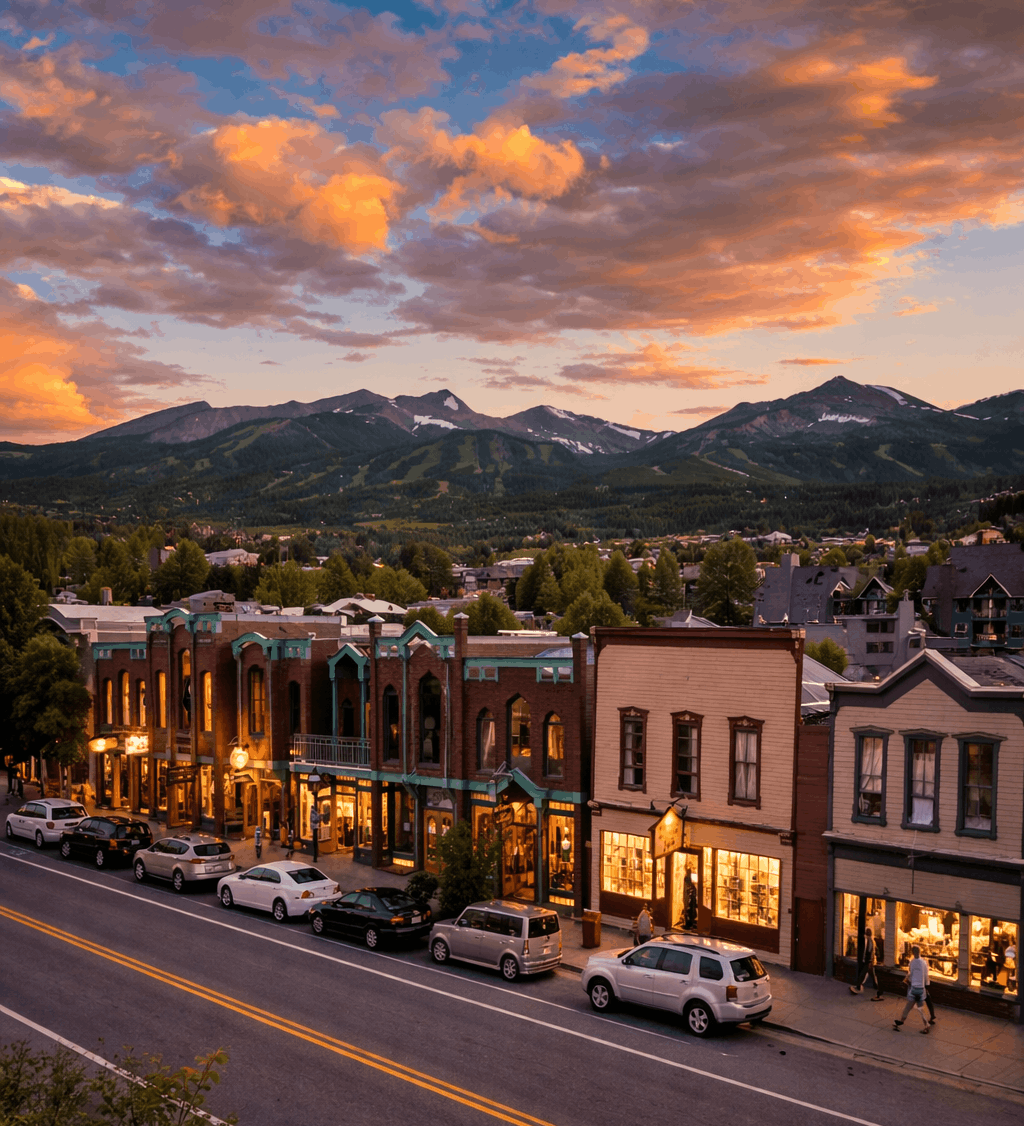
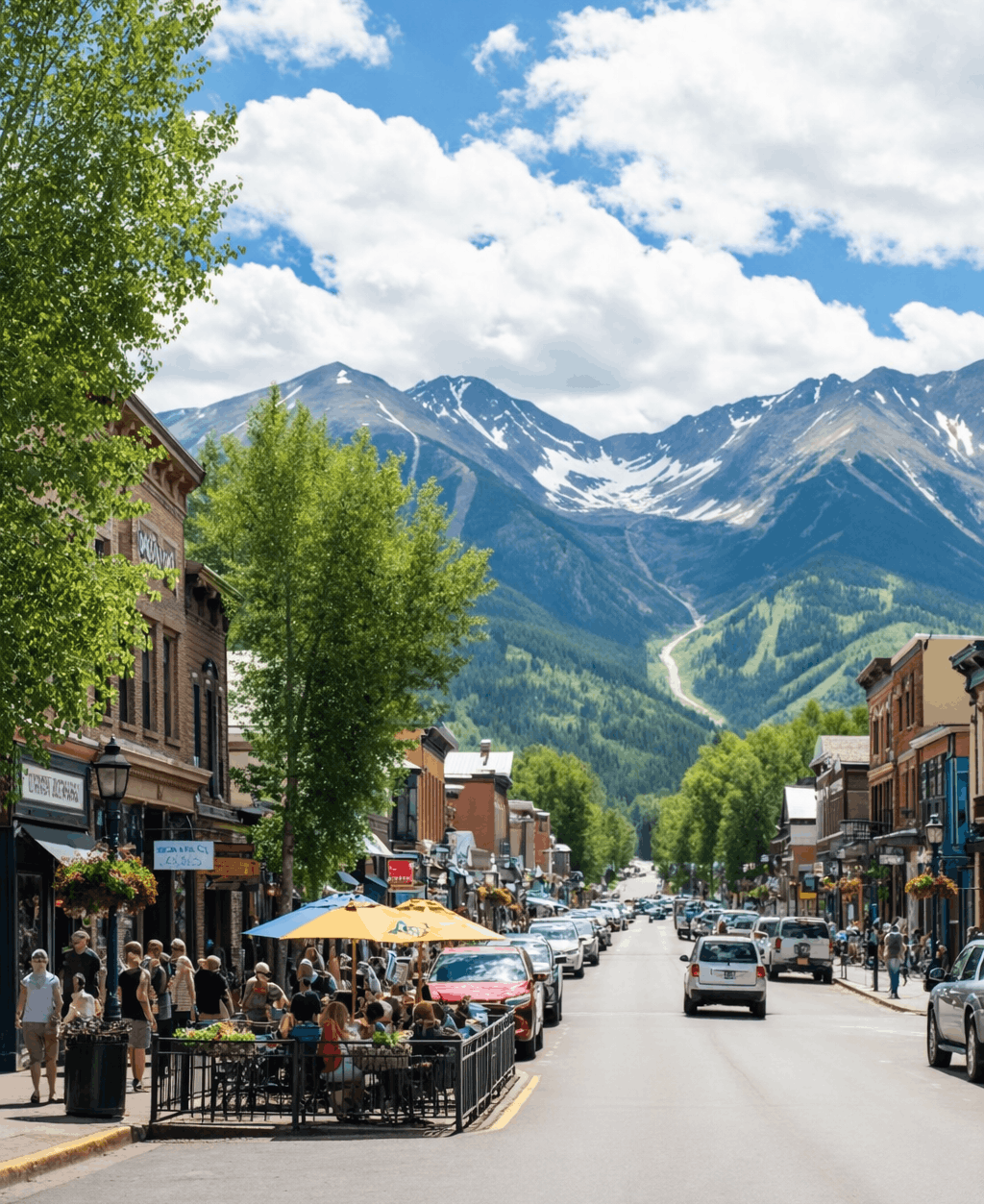
Breckenridge isn’t defined by a single setting; it’s shaped by terrain, lift access, walkability, and zoning. Each neighborhood offers a distinct balance of proximity, privacy, and performance.
Some buyers prioritize true ski-in/ski-out positioning near Peak 7 and Peak 8. Others are drawn to the Historic District, where dining, retail, and year-round activity are steps from home. Elevated enclaves like Shock Hill offer panoramic views and architectural presence, while areas such as Blue River provide space and a quieter mountain backdrop just minutes from town.
In Breckenridge, micro-location matters. Access, rental eligibility, HOA structure, and seasonal demand often influence value as much as design or square footage.
Explore Breckenridge’s most sought-after neighborhoods and determine where your goals align best within this dynamic resort market.
Meet Our Breckenridge Area Specialist,
Alex Kimbrell
Delivered the highest single property sale of 2025 across a team of nearly 150 agents.

Licensed for five years and a Breckenridge local since 2014, Alex Kimbrell serves as Summit Colorado Realty’s Summit County Resort & Second-Home Specialist. Focused on ski-accessible properties and short-term rental investments, he brings regulatory precision, income analysis expertise, and mountain-market strategy to every transaction. His deep understanding of STR zoning, HOA structures, and seasonal dynamics protects clients from costly missteps while positioning them for long-term value.
Looking for a luxury home in Breckenridge?
Contact our team
today for access to private listings and expert guidance from top
Breckenridge luxury specialists.
The Breckenridge Luxury Buyer Profile
Who Acquires Property Here — and Why
Breckenridge attracts a diverse but highly intentional buyer profile. Price points are transparent, but motivations vary depending on access, usage goals, and long-term strategy.
A significant portion of acquisitions are made by Front Range second homeowners seeking proximity within a manageable drive corridor. Breckenridge is often a strategic lifestyle purchase; a ski residence, a hybrid-use property, or a seasonal retreat designed for both enjoyment and optional revenue.
Unlike ultra-constrained legacy markets, buyers here frequently evaluate both personal use and performance. Short-term rental eligibility, HOA structure, peak proximity, and historical rental data often factor into the decision-making process alongside design and views.

Financing is common across many tiers, though cash remains present in higher price bands and competitive ski-access segments. Strength of structure, appraisal positioning, and certainty of close often influence negotiations more than marginal price adjustments. Prepared buyers tend to move decisively.
There is also clear segmentation within the market:
- Some buyers prioritize turnkey, low-maintenance properties near lifts or Main Street.
- Others pursue larger custom homes at elevation with greater privacy and long-range views.
- A distinct segment evaluates Breckenridge through an income-oriented lens, focusing on zoning compliance and seasonal occupancy trends.
- Domestic buyers drive the majority of volume, particularly from Colorado and surrounding states, with periodic interest from national second-home markets.
What unifies this profile is calculation. Buyers here compare options carefully — across neighborhoods, price tiers, and nearby resort towns — before committing.
Understanding this profile matters. It shapes negotiation strategy, property selection, and timing decisions within a dynamic, seasonally influenced market.
Breckenridge rewards clarity, preparation, and market literacy.
Continue Your Search Across Colorado
Want to weigh your options? Explore how each market compares before making a decision.
Strategic Considerations Before Entering the Breckenridge Luxury Real Estate Market
What Serious Buyers Evaluate Early
Purchasing in Breckenridge involves more than selecting a mountain home with strong views. This is a resort-driven market shaped by lift proximity, zoning overlays, HOA governance, snow-load realities, and clearly defined short-term rental regulations.
Serious buyers evaluate use-case first. Will the property function strictly as a second home, or must it support income potential? Is ski access essential, or is walkability to Main Street the priority? How does elevation impact maintenance, winter access, and long-term operating costs?
Inventory moves in distinct tiers. True ski-in and ski-out properties behave differently than base-area condos or custom homes above town. Understanding how these micro-markets perform allows buyers to anticipate competition rather than react to it.
Clarity before touring properties creates leverage later.
Breckenridge rewards buyers who enter prepared, structured, and aligned with their intended strategy.
Summit County Zoning & Short-Term Rental Framework
Breckenridge zoning and short-term rental regulations play a central role in property performance. Overlay districts, license caps, density allowances, and HOA restrictions directly affect rental eligibility and long-term flexibility.
Unlike legacy-constrained markets, value here is often influenced by what a property is permitted to do. Rental zone classification, transferable licenses, and occupancy limits should be reviewed before assumptions are made about projected income.
Buyers considering remodels or expansions should also evaluate height limits, mass allowances, and approval timelines through the Town of Breckenridge and Summit County where applicable.
Understanding entitlement boundaries early protects both strategy and underwriting.
High-Elevation Ownership & Operational Planning
Breckenridge ownership involves mountain realities that affect both cost and oversight. Snow load requirements, roof design, winter access, drainage, freeze protection, and wildfire mitigation standards influence ongoing maintenance.
Properties at higher elevations may require more structured seasonal management. Many owners integrate local property management from the outset, particularly when the home supports rental use or extended vacancy periods.
Operational clarity supports long-term asset stability.
Liquidity & Seasonal Market Cycles
Breckenridge operates in defined seasonal cycles. Winter and summer drive visible demand, while shoulder seasons can present negotiation opportunities.
Upper-tier homes and true ski-access properties may move quickly during peak demand periods, while certain price bands experience more variability. Condo inventory behaves differently than custom single-family residences.
Holding horizon expectations should reflect this tiered structure. Long-term appreciation is supported by strong demand and geographic limits, but short-term positioning requires market literacy.
HOA Governance & Financial Health
Many Breckenridge luxury properties fall within managed communities. HOA reserve strength, rental restrictions, special assessment history, and governance policies can materially affect ownership experience.
Reviewing financial statements, insurance coverage, and long-term maintenance plans is essential prior to acquisition. Well-managed associations tend to preserve property values more consistently across market cycles.
Insurance & Environmental Risk Considerations
High-elevation construction carries distinct insurance and rebuild cost variables. Wildfire exposure classifications, terrain-specific engineering, snow load calculations, and replacement valuations all factor into underwriting.
Evaluating these elements early reduces transaction friction and supports confident decision-making.
Breckenridge rewards buyers who approach acquisition with operational awareness and structural clarity.
Ready to buy or sell in Breckenridge?
Contact us today for a free consultation!
Expect a response within the next business day.
Contact Us
Who Breckenridge Luxury Real Estate Is Not For
Understanding Fit in a Performance-Driven Market
Breckenridge is not a casual second-home market.
Buyers who approach this town assuming every property can function as a high-yield short-term rental often discover quickly that zoning, license caps, and HOA rules matter. Not every address performs the same. Not every property qualifies.
It is also not ideal for those seeking purely speculative flips based on momentum alone. While certain segments move quickly, this market rewards positioning, not gambling.
Breckenridge requires operational awareness. Snow load, winter access, rental compliance, parking, and elevation are not minor details. They influence ownership experience and resale liquidity.
This is not a market for indecision in competitive tiers. Ski-access homes and well-located properties near Main Street can attract prepared buyers who move with confidence.
Breckenridge is best suited for buyers who value:
- Defined use-case before touring
- Zoning literacy before underwriting
- Access over assumption
- Long-term positioning
When acquisition intent aligns with the structural realities of the town, ownership tends to feel measured and strategic rather than reactive.
Breckenridge rewards buyers who know what they are building toward.
Breckenridge Luxury Real Estate Investment Perspective
Durability Within an Access-Driven Mountain Economy
Breckenridge does not operate as a purely speculative resort market. It functions as an access-based alpine economy supported by consistent Front Range demand, year-round tourism, and defined short-term rental frameworks.
Value here is tied less to rarity alone and more to positioning. Lift proximity, Main Street walkability, rental eligibility, and elevation all create measurable differences in long-term performance. Not all properties participate equally. Micro-location determines resilience.
Unlike legacy-constrained enclaves, Breckenridge offers multiple entry points across price tiers. This creates liquidity at certain bands, particularly in well-located condos, townhomes, and true ski-access homes. Custom properties at elevation behave differently and require longer holding horizons.

Serious buyers often approach acquisition with layered objectives:
- Lifestyle utility during peak season
- Optional income within compliant zoning
- Regional diversification outside major metro exposure
- Long-term appreciation supported by sustained recreation demand
Seasonality influences timing but not structural demand. Winter drives visibility. Summer extends occupancy. Shoulder seasons often create strategic acquisition windows.
Breckenridge is not purely yield-driven, nor purely legacy-driven. It sits between those extremes. It rewards buyers who understand operating realities, respect zoning boundaries, and position themselves within high-demand corridors rather than chasing noise.
For disciplined owners, this market offers versatility, usability, and long-term relevance within one of Colorado’s most active resort communities.
Explore Breckenridge Luxury Real Estate with Confidence.
We provide market insight, property access, and disciplined acquisition strategy for buyers aligned with Breckenridge’s long-term value environment.
Comparing Breckenridge Luxury Property Types
Choosing the Right Structure for Your Objectives
In Breckenridge, property type is not just a stylistic decision. It determines liquidity, operating complexity, rental flexibility, and long-term positioning within a seasonally active market.
Two homes at the same price can behave very differently depending on access, elevation, and zoning.
Clarity on structure should come before emotional attachment.
Ski-In / Ski-Out Homes
Often among the most competitive segments of the Aspen luxury real estate market, ski-access properties command premium absorption due to limited supply and direct lifestyle utility.
Best suited for:
- Active seasonal users
- Buyers prioritizing winter access
- Long-term legacy positioning
Considerations:
- Snow management logistics
- Proximity to lift corridors
- Architectural wear in high-traffic seasonal use
Elevated Custom Homes and View Corridors
Homes positioned above town offer architectural presence and panoramic exposure. They trade walkability for privacy and visual scale.
These properties are often favored by buyers who:
- Prefer separation from base-area density
- Value views over proximity
- Plan for longer holding horizons
Considerations:
- Winter driveway access and terrain challenges
- Higher operating and maintenance costs
-
Reduced walkability compared to in-town locations
Walkable Historic District & Core Residences
Offering proximity to Main Street, dining, retail, and year-round activity.
Best suited for:
- Buyers valuing convenience and multi-season use
- Lock-and-leave ownership
- Strong rental positioning where permitted
Considerations:
- HOA governance and shared infrastructure
- Parking limitations
- Less privacy than hillside properties
Base-Area Condominiums & Managed Communities
Often representing the most liquid segment within defined price tiers.
Best suited for:
- Buyers seeking lower-maintenance ownership
- Structured short-term rental participation
- Strategic entry into lift-adjacent corridors
Considerations:
- HOA reserve health and assessment history
- Rental license classification
- Shared building systems and governance oversight
Interested in Colorado Golf Communities?
Click here to learn about what's available in your desired Colorado area.
Why Summit Colorado Realty
Strategic Representation in Breckenridge’s Luxury Market
Breckenridge is layered. Lift corridors move differently than hillside homes. Rental zones behave differently than legacy streets near Main. Seasonality creates windows. Zoning creates boundaries. Elevation creates operating realities.
Access alone is not representation.
Summit Colorado Realty approaches Breckenridge through disciplined analysis and local alignment. Every acquisition is evaluated beyond aesthetics. We examine positioning within its micro-market, rental eligibility, HOA structure, seasonal demand cycles, and long-term resale dynamics.
Our focus is not volume. It is clarity.
That means:
- Understanding which tiers move quickly and which require patience
- Identifying when competition is real and when it is perceived
- Evaluating income assumptions against regulatory reality
- Structuring offers around leverage, not emotion
Breckenridge rewards buyers who are prepared before they compete. In lift-access corridors and walkable districts, hesitation costs more than negotiation. In elevated enclaves, timing and horizon expectations matter just as much as price.
We guide buyers toward alignment first. Property selection follows strategy, not the other way around.
When objectives are clearly defined, execution becomes confident and efficient.
Breckenridge is active. It is strategic. It is nuanced. And it requires representation that understands the difference.

FAQs
How competitive is the Breckenridge luxury real estate market?
Breckenridge is competitive within defined tiers. True ski-in and ski-out properties, lift-adjacent homes, and well-positioned walkable residences often attract strong interest, particularly during winter and early summer.
Other segments, such as elevated custom homes or higher price bands above the primary demand corridor, may move at a more measured pace. Competition here is situational. Understanding which micro-market you are entering determines how aggressively to position.ntory is limited due to geographic boundaries and strict development controls, particularly within established enclaves. Competitive properties — especially ski-in/ski-out homes and elevated estates — often attract decisive buyers prepared to act quickly. However, ultra-luxury tiers may experience longer days on market when pricing and positioning are misaligned.
What is the typical price range for Breckenridge luxury homes?
Luxury pricing in Breckenridge spans a broad spectrum depending on property type and access.
Well-located condominiums in lift corridors typically begin in the low seven figures.
Custom single-family homes often range from the mid-seven figures upward, with ski-access and premier view properties commanding meaningful premiums.
Elevation, rental eligibility, and proximity to lifts or Main Street significantly influence valuation.
Do most Breckenridge luxury homes sell at or below asking price?
It depends on positioning and season.
Well-priced ski-access properties in active tiers may transact near or at asking, sometimes with limited negotiation during peak demand periods.
Higher elevation homes or properties with narrower buyer appeal may allow for more flexibility. Pricing accuracy at launch plays a significant role in outcome.
What are property taxes like for Breckenridge luxury homes?
Property taxes in Breckenridge are assessed through Summit County and are generally lower than many major metropolitan markets on a percentage basis.
However, total tax obligation reflects assessed value, which increases with price tier. Buyers should also evaluate HOA dues, special assessments, and potential short-term rental licensing costs as part of overall ownership expense.
How does seasonality impact the Breckenridge luxury real estate market?
Seasonality influences activity, not structural demand.
Winter brings visibility and strong buyer traffic tied to ski season. Summer supports extended visitation and family travel. Shoulder seasons can present strategic acquisition opportunities when inventory builds and urgency softens.
Serious buyers often act outside peak tourism months when competition is less emotional and negotiation leverage improves.