Vail
Luxury Real Estate
Acquiring Property in One of America’s Most Constrained Markets
Vail, CO, Real Estate Market Snapshot
Luxury Market Snapshot — Vail, CO
Latest Available Data:
February 2026
Active inventory: 103
Closed sales:
14
Median $/sq ft:
$1,492
Median DOM:
94
Median sale price:
$2,250,000
Months of supply: 5.9
Market posture:
Seller-leaning
Want a complete look into the most recent market data? Check out our Monthly Summit Colorado Realty Market Report.
A Market Defined by Elevation, Access, and Structural Constraint
Vail is not simply a resort community with premium pricing. It is a geographically constrained alpine market shaped by mountain topography, national forest boundaries, and tightly managed development standards that preserve both architectural character and ski access integrity.
Inventory remains structurally limited. Much of the surrounding land is protected, and buildable parcels within core ski-access corridors are finite. Height restrictions, design review oversight, and long-standing village planning principles prevent unchecked expansion. As a result, new supply rarely shifts the balance of demand — particularly in established areas such as Vail Village, Lionshead, Beaver Creek-adjacent enclaves, and premier ski-in/ski-out pockets.
Luxury buyers in Vail tend to view ownership through a long-term lens. Many acquire secondary residences intended for multi-generational use, seasonal retreat, or portfolio diversification within a globally recognized resort. Cash remains common at higher price tiers, and properties offering direct lift access, walkability, or protected mountain views often attract decisive, well-prepared buyers.
Seasonality shapes visibility more than value. Winter and summer increase transactional volume due to lifestyle demand; however, strategic acquisitions frequently occur in quieter windows when inventory turnover is less public and negotiation environments may offer greater flexibility.
Vail’s upper tier behaves differently than broader mountain markets. Pricing is influenced not only by square footage or finishes, but by lift proximity, slope orientation, view preservation, architectural cohesion, and the scarcity of true ski-in positioning within established neighborhoods.
For buyers entering this environment, context is critical. Understanding micro-location performance, redevelopment limitations, and access hierarchy often carries more weight than headline list price alone.
Vail rewards preparation, strategic positioning, and disciplined acquisition timing.

Exclusive Vail Neighborhoods & Communities
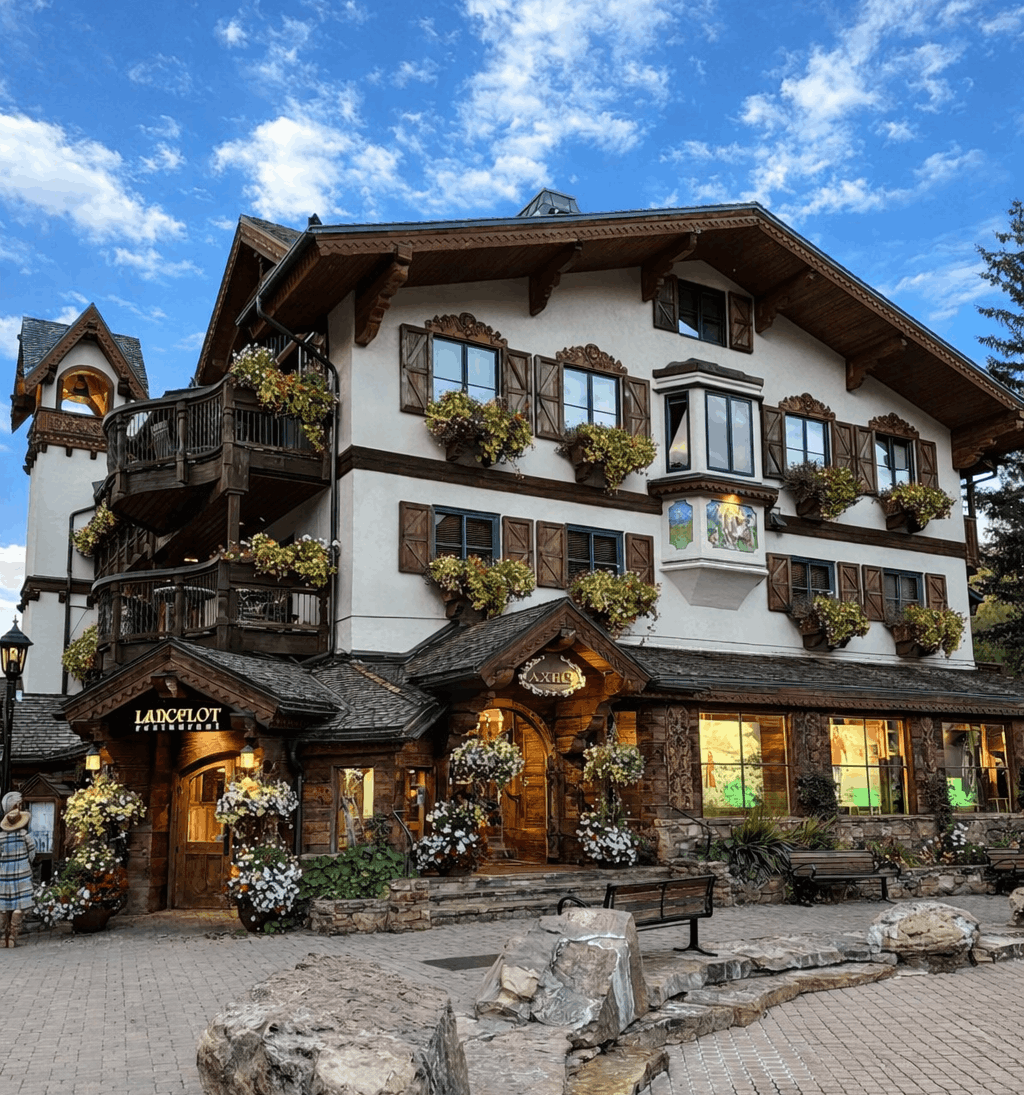
Vail isn’t simply a destination — it is a mountain community defined by access, design continuity, and world-class recreation woven directly into daily life. Whether you’re drawn to true ski-in/ski-out estates, refined village residences, or private mountain retreats overlooking Gore Range vistas, Vail’s neighborhoods each offer a distinct level of access and prestige.
From legacy properties tucked along Forest Road and the slopes of Vail Mountain to elegant residences within Vail Village and Lionshead, every enclave is shaped by thoughtful planning and long-standing architectural standards. Walkability, lift proximity, and protected mountain views often define both experience and long-term value.
Ownership here is less about proximity alone and more about positioning — slope access hierarchy, elevation, privacy buffers, and connection to the village core all influence lifestyle and desirability.
Let’s explore Vail’s most established neighborhoods and determine which environment aligns with your vision of mountain living.
Meet Our Vail Area Specialist,
Pamela Primm
Top Producer on her team from 2020–2023.

Licensed for over 25 years and based in the Vail Valley, Pamela Primm serves as Summit Colorado Realty’s Eagle County Mountain & Resort Specialist. Focused on second homes, international buyers, and investment properties, she brings deep local knowledge, global client experience, and strategic guidance to every transaction. Her understanding of rental dynamics, financing structures, and lifestyle-driven decision-making helps clients navigate the complexities of resort markets with clarity and confidence.
Looking for a luxury home in Vail?
Contact our team
today for access to private listings and expert guidance from top
Vail
luxury specialists.
The Vail Luxury Buyer Profile
Who Acquires Property Here — and Why
Vail attracts a disciplined and lifestyle-oriented luxury buyer. While pricing is transparent, motivation is often strategic.
Many acquisitions are made by individuals and families who already own property in other primary metropolitan markets. Vail is rarely a first acquisition. More commonly, it becomes a seasonal residence, a ski-focused retreat, or a long-term mountain hold within a diversified portfolio.
Vail luxury buyers tend to prioritize access and integration. Lift proximity, walkability to Vail Village or Lionshead, ski-in/ski-out positioning, and protected Gore Range views frequently carry more weight than sheer interior scale. Architectural cohesion and alignment with Vail’s alpine aesthetic also influence premium valuation.

Cash remains prevalent at higher price tiers, particularly within established ski corridors and legacy neighborhoods. Financing is present, but certainty of execution, closing timeline, and clean offer structure often outweigh incremental price negotiation. Prepared buyers move decisively when positioning aligns.
There is also a clear segmentation within the market:
- Some buyers prioritize turnkey contemporary residences with immediate ski access and minimal renovation oversight.
- Others pursue irreplaceable slope-side parcels, legacy homes along Forest Road, or properties with long-term redevelopment potential under Vail’s design review standards.
- A smaller but consistent segment evaluates Vail through a portfolio lens, favoring globally recognized resort exposure within a structurally constrained inventory environment.
International interest surfaces periodically, though domestic high-net-worth households remain the primary driver of transaction volume.
What unifies this market is intention. Buyers here are measured. They understand access hierarchy, seasonality patterns, and the limited nature of true ski-in positioning.
Understanding this profile shapes negotiation posture, timing, and discretion strategy.
Vail is competitive — but it operates with structure.
It rewards clarity, preparedness, and strategic positioning.
Continue Your Search Across Colorado
Want to weigh your options? Explore how each market compares before making a decision.
Strategic Considerations Before Entering the Vail Luxury Real Estate Market
What Serious Buyers Evaluate Early
Entering the Vail luxury real estate market requires more than identifying a well-designed property. High-end acquisitions in Vail involve access hierarchy, design review oversight, and long-term ownership considerations that differ from conventional residential markets across Colorado.
Buyers exploring Vail high-end homes benefit from evaluating these variables early before competition intensifies around a specific ski-access corridor or village-adjacent opportunity.
Zoning & Town of Vail Development Standards
Vail zoning regulations and Town of Vail development standards are among the most structured in Colorado’s resort markets. Height limitations, site coverage ratios, design review requirements, and protected view corridors directly influence renovation feasibility and redevelopment potential.
In many cases, the long-term value of Vail mountain properties is tied not only to architectural quality but to what cannot be built around them. Strict oversight and limited remaining buildable land preserve scarcity, one of the defining characteristics of Vail luxury real estate.
Buyers considering remodels or custom builds should evaluate allowable mass, design approval timelines, and entitlement processes before underwriting renovation assumptions.
Alpine Property Ownership & Maintenance
Alpine Property Ownership & Maintenance
Vail luxury home ownership involves environmental realities unique to high-elevation resort environments. Snow load engineering, heated drive systems, drainage design, roof pitch, wildfire mitigation requirements, and seasonal access planning all influence long-term maintenance planning.
Well-positioned Vail real estate investment decisions account for these variables upfront rather than reactively. At elevated price tiers, structured property management is common and often integrated into ownership strategy.
Liquidity & Holding Horizon Expectations
The Vail luxury real estate market operates differently than mid-range housing cycles. Ultra-high-end properties may experience longer marketing windows, yet pricing stability is frequently supported by limited ski-access inventory and strong owner holding power.
Vail real estate investment strategy should align with a realistic holding horizon. While long-term appreciation trends remain supported by constrained supply and global resort recognition, short-term speculation is rarely the primary driver at upper price tiers.
Short-Term Rental Regulations
Vail short-term rental regulations vary by zone, property classification, and licensing requirements. Buyers evaluating rental income potential should review current municipal guidelines, occupancy thresholds, and compliance obligations prior to acquisition.
While certain Vail properties perform well within approved rental frameworks, the luxury segment is often acquired primarily for lifestyle integration and long-term value preservation.
Insurance & Environmental Risk Considerations
High-elevation construction in Vail carries distinct insurance and engineering considerations. Rebuild cost valuations, wildfire risk exposure, avalanche mapping in select areas, terrain-specific structural design, and environmental mitigation requirements all factor into comprehensive due diligence for Vail high-end homes.
Evaluating these elements early supports smoother transaction timelines and disciplined underwriting.
Ready to buy or sell in Vail?
Contact us today for a free consultation!
Expect a response within the next business day.
Contact Us
Who Vail Luxury Real Estate Is Not For
Clarifying Alignment in a Ski-Driven Market
Vail luxury real estate is not structured around rapid appreciation cycles or speculative turnover tied to broader housing trends.
Buyers entering the Vail luxury real estate market primarily for short-term resale margins may find friction in a community where inventory is limited, development is tightly reviewed, and true ski-access positioning cannot be replicated. Value here is tied to lift hierarchy, walkability to Vail Village or Lionshead, and established alpine neighborhoods rather than expansion-driven growth.
This is also not a market for casual timing. Competitive Vail high-end homes, particularly those offering genuine ski-in access or steps-to-lift positioning, require preparedness and liquidity clarity. When access aligns, decisive execution matters.
Investors seeking aggressive short-term rental yield without regard for Vail’s licensing structure or HOA governance may encounter constraints. While rental strategies can be implemented in select segments, much of the upper tier is acquired for seasonal use, multi-generational enjoyment, and long-horizon ownership within a globally recognized resort.
Vail is best suited for buyers who value:
- Lift proximity and true ski integration
- Village connectivity and architectural cohesion
- Established alpine planning over large-scale expansion
- Long-term mountain positioning over short-cycle movement
The Vail luxury real estate market rewards alignment with its infrastructure-driven character. When acquisition intent reflects the realities of ski access, design standards, and limited core inventory, outcomes tend to be durable.
Clarity at the outset protects both strategy and expectation.
Vail Luxury Real Estate Investment Perspective
Long-Term Value in a Supply-Constrained Market
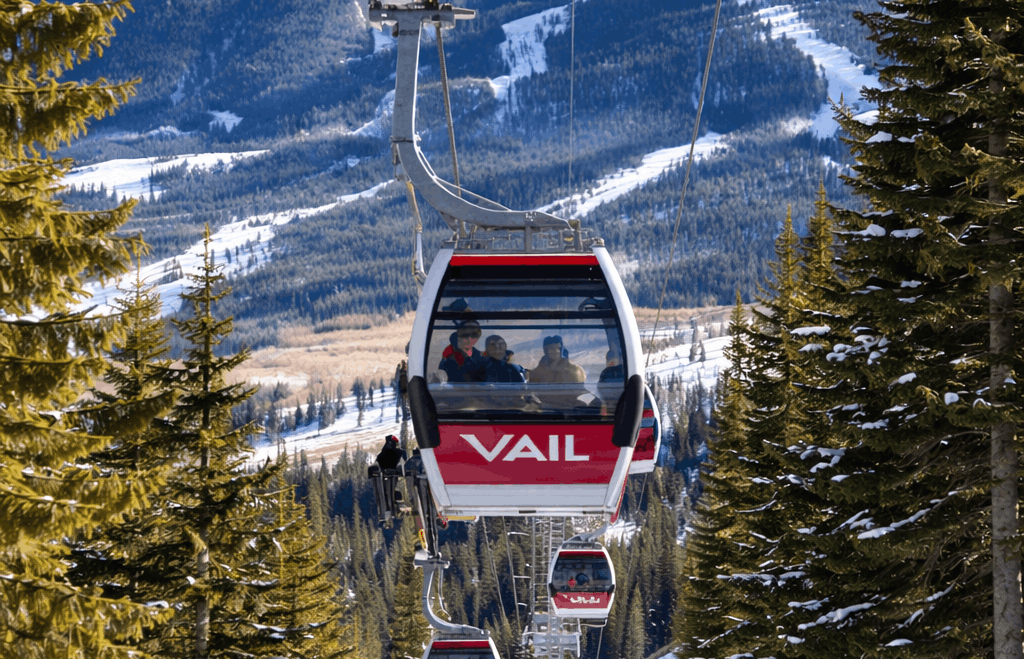
Vail luxury real estate has historically behaved less like a cyclical housing market and more like a constrained resort asset class.
Mountain topography, national forest boundaries, and tightly structured Town of Vail development oversight limit meaningful expansion within core ski-access corridors. As a result, supply growth remains structurally restricted. This dynamic plays a central role in long-term value preservation across Vail high-end homes, particularly those offering true lift proximity, village walkability, and established alpine positioning.
While short-term fluctuations can occur, influenced by broader economic conditions or capital markets, pricing at the upper tiers is often supported by strong owner holding power and limited distressed inventory. Ultra-luxury properties above eight figures frequently transact based on alignment with access and long-term ownership goals rather than urgency.

Buyers evaluating Vail real estate investment opportunities typically approach acquisition with a long-term horizon. Many prioritize:
- Portfolio diversification through tangible resort assets
- Geographic diversification within established Western ski markets
- Seasonal use with multi-generational continuity
- Lifestyle integration combined with capital preservation
Liquidity in the Vail luxury real estate market differs from mid-tier residential cycles. Days on market may extend for certain properties, yet residences with direct ski access, village-core positioning, and protected Gore Range views continue to attract serious interest.
True ski-in residences, properties within Vail Village and Lionshead, and homes embedded within established alpine neighborhoods often demonstrate consistent demand due to their limited and irreplaceable positioning within the resort infrastructure.
It is important to recognize that Vail luxury home ownership is rarely yield-driven in isolation. While rental strategies can be implemented within regulatory frameworks, the primary driver at upper tiers remains long-term mountain ownership within a globally recognized resort environment.
For buyers aligned with that perspective, Vail remains one of the most structurally resilient alpine luxury markets in North America.
Explore Vail Luxury Real Estate with Confidence.
We provide market insight, property access, and disciplined acquisition strategy for buyers aligned with Vail’s long-term value environment.
Comparing Vail Luxury Property Types
Choosing the Right Structure for Your Objectives
Not all Vail luxury real estate performs or functions the same way. Property type often influences ski access hierarchy, liquidity profile, maintenance responsibility, and long-term positioning as much as price tier.
Understanding these distinctions early can prevent misalignment.
Ski-In / Ski-Out Homes
Among the most competitive segments of the Vail luxury real estate market, true ski-in properties command premium absorption due to limited core inventory and direct integration with Vail Mountain’s lift system.
Best suited for:
- Active seasonal users
- Buyers prioritizing immediate lift access
- Long-term resort positioning within established ski corridors
Considerations:
- Snow management systems and access logistics
- Lift hierarchy and walk-to-lift proximity
- Wear patterns associated with high seasonal use
Village-Core & Lionshead Residences
Defined by walkability, architectural cohesion, and direct access to dining, retail, and lift infrastructure.
Best suited for:
- Buyers prioritizing convenience and integration
- Seasonal owners seeking flexibility
- Multi-generational use with minimal transportation reliance
Considerations:
- HOA governance and fee structures
- Rental licensing parameters
-
Higher activity levels compared to peripheral neighborhoods
Elevated Mountain Homes & Established Alpine Neighborhoods
Often positioned along Forest Road, Potato Patch, or other established residential pockets with mountain and Gore Range exposure.
Best suited for:
- Buyers seeking balance between access and privacy
- Long-horizon ownership strategies
- Homes with strong land positioning and architectural relevance
Considerations:
- Terrain-driven winter access planning
- Design review limitations for exterior modification
- Maintenance complexity tied to elevation and slope
Redevelopment & Land-Driven Opportunities
Select Vail high-end homes are acquired primarily for underlying land value and repositioning potential within Town of Vail guidelines.
Best suited for:
- Buyers with architectural vision
- Long-term value repositioning strategies
Considerations:
- Town of Vail development standards
- Design review timelines
- Construction cost variability in alpine resort environments
Interested in Colorado Golf Communities?
Click here to learn about what's available in your desired Colorado area.
Why Summit Colorado Realty
Advisory Positioning in Vail’s Luxury Market
Navigating Vail luxury real estate requires more than property access. It requires context, interpretation, and disciplined positioning within a supply-constrained resort environment.
Summit Colorado Realty approaches the Vail luxury real estate market through an advisory lens. Each acquisition is evaluated within its broader framework, including ski-access hierarchy, village integration, design review standards, and long-term ownership planning.
Rather than prioritizing transaction volume, our focus centers on alignment. That includes:
- Interpreting lift proximity and access positioning beyond headline pricing
- Evaluating redevelopment feasibility under Town of Vail development standards
- Assessing long-term value preservation within established alpine neighborhoods
- Structuring acquisitions with clarity and discretion
Vail high-end homes often involve competitive ski-access corridors and nuanced negotiation dynamics. Preparedness, liquidity clarity, and calibrated offer structure frequently influence outcomes more than incremental price adjustments.
We work closely with buyers to ensure that acquisition decisions reflect both lifestyle integration and long-term positioning within the Vail luxury real estate market.
For those considering entry into Vail, whether as a seasonal residence, village-core property, or long-horizon mountain hold, clarity precedes commitment.
When alignment exists, execution becomes disciplined and efficient.

FAQs
How competitive is the Vail luxury real estate market?
Vail remains highly competitive, particularly within true ski-in residences, walk-to-lift properties, and village-core locations. Inventory is structurally limited due to mountain geography and tightly managed development standards. Well-positioned homes with strong access hierarchy and view orientation often attract decisive buyers, especially during peak winter and summer visibility periods.
What is the typical price range for Vail luxury homes?
Luxury pricing in Vail generally begins in the mid-seven figures and extends well beyond eight figures for premier ski-access or village-core properties. True ski-in homes, newer construction within established neighborhoods, and residences with protected Gore Range views command the upper tiers. Condominiums and penthouses in Vail Village and Lionshead also occupy premium price bands due to walkability and lift proximity.
Do most Vail luxury homes sell at or below asking price?
Outcomes vary by positioning and timing. Well-priced properties in established ski corridors or village locations often transact close to asking, particularly when access alignment is strong. Homes priced ahead of market context or lacking direct lift integration may experience longer marketing windows and negotiation adjustments.
Preparation and accurate positioning influence results more than nominal list price strategy.
What are property taxes like for Vail luxury homes?
Property taxes in Vail are influenced by assessed value, property type, and local mill levies within Eagle County. While tax rates may appear moderate compared to certain metropolitan markets, the assessed value of high-end properties results in meaningful annual obligations. Buyers should evaluate projected tax exposure alongside HOA structures and maintenance planning when underwriting ownership costs.
How does seasonality impact the Vail luxury real estate market?
Winter and summer increase buyer visibility due to peak resort activity, often driving higher showing volume and competitive positioning around ski-access inventory. However, strategic acquisitions frequently occur during shoulder seasons when competition may soften and negotiation flexibility can improve.
Seasonality affects transaction pacing more than long-term desirability. Demand for premier access positioning remains consistent across market cycles.