Colorado’s Secret Treasures: 12 Neighborhoods That Deserve the Spotlight
Colorado gets reduced to a few familiar names far too often. Denver gets the spotlight. Aspen gets the glamour. A handful of ski towns do the rest. And yet, some of the most compelling places in the state sit just outside that usual conversation.
Not hidden, exactly. Just under-discussed.
Some offer a quieter version of mountain living. Some balance culture and outdoor access better than the bigger names. Some appeal to people who want beauty without constant performance, or a sense of place that still feels intact.
If you are looking beyond the obvious, these are 12 Colorado towns and communities worth a closer look.
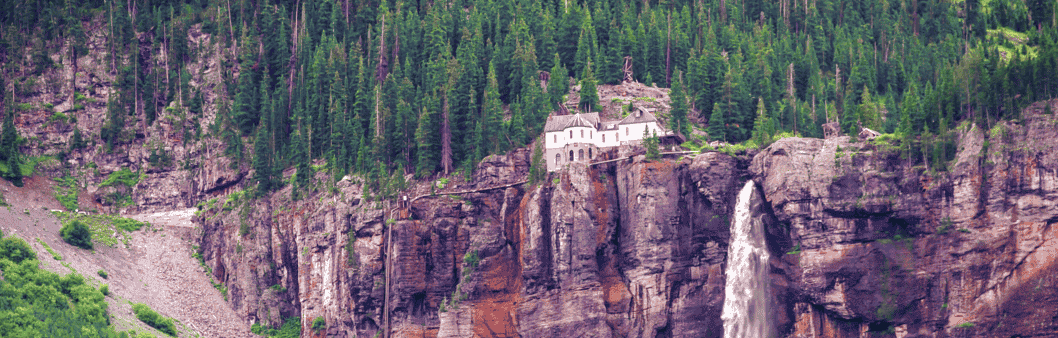
1. Telluride, Colorado
A Constrained Mountain Market with Quiet Staying Power
Fun fact:Telluride Gondola is the only free public gondola system in the United States, used daily by both locals and visitors as actual transportation—not just a scenic ride.
Telluride sits deep in a box canyon, surrounded on all sides by the San Juan Mountains. There’s no real outward expansion here. The town is physically limited, and that shapes everything—from pricing to long-term ownership.
It feels tucked away because it is.
The gondola linking Telluride to Mountain Village isn’t just scenic—it’s part of daily life, connecting two distinct environments without adding congestion or sprawl.
What Daily Life Actually Feels Like
Life here revolves around proximity.
- Ski access at Telluride Ski Resort without the scale or crowding of larger resorts
- Walkable historic core with preserved architecture
- Immediate access to trails, waterfalls, and open space
In summer, the pace slows. Locals shift into hiking, biking, and simply being outside. Trails like Bear Creek and Bridal Veil Falls aren’t “destinations”—they’re routine.
Culturally, Telluride carries more weight than expected. Events like the Telluride Film Festival and Telluride Bluegrass Festival bring in a level of programming that feels intentional, not tourist-driven.
Real Estate, Simplified
This is not a high-turnover market.
Inventory is limited, and most properties fall into a few clear categories:
- Town core homes — historic, walkable, tightly held
- Mountain Village properties — ski access, newer builds, structured communities
- Outlying estates — more land, more privacy, less immediacy
What matters most:
- Position within the canyon
- View corridors
- Access to lifts or town
Those factors tend to carry more weight than square footage alone.
Who It Aligns With
Telluride tends to attract buyers who are:
- Looking for a true second-home environment, not a quick investment
- Comfortable with limited inventory and slower decision timelines
- Drawn to privacy over visibility
There’s less urgency here. More intention.
Where It Can Miss
This market doesn’t work for everyone.
- Limited direct access compared to larger resort towns
- Few opportunities for large-scale new construction
- Not ideal for short-term, transaction-focused buyers
If flexibility and volume matter, this can feel restrictive.
Why It Holds Long-Term
Telluride remains one of the most structurally constrained markets in Colorado.
That’s what protects it.
It isn’t trying to grow aggressively or reinvent itself. It stays consistent, and in this kind of environment, consistency tends to hold value.
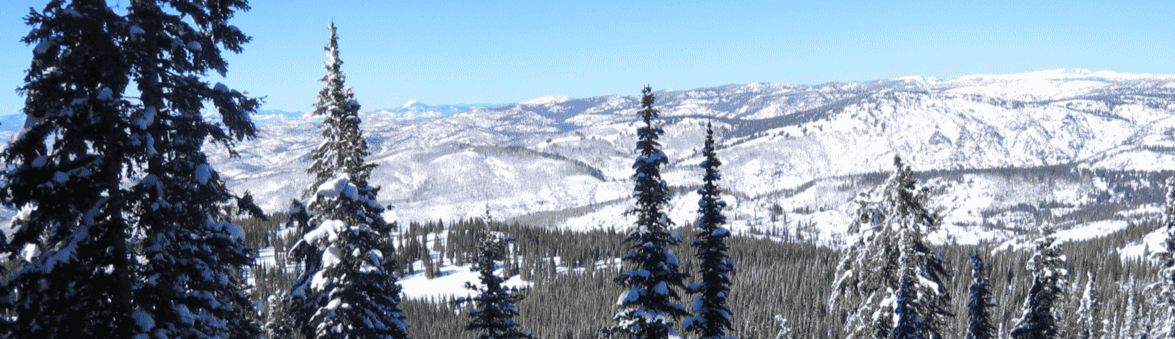
2. Steamboat Springs, Colorado
A Livable Resort Market with Year-Round Balance
Fun fact: Steamboat’s snow is nicknamed “Champagne Powder®” for its light, dry texture—thanks to the valley’s unique weather patterns.
Steamboat Springs sits a little differently than most Colorado resort towns. It has the mountain access, the ski reputation, and the scenery—but it also has a stronger sense of everyday life.
This is not a place that shuts off outside of peak seasons.
There’s space here. Not just physically, but in how the town functions. It’s less compressed than places like Telluride, and that changes the pace, the housing mix, and the type of buyer it attracts.
Set in the Yampa Valley, Steamboat opens up more than it closes in. Rolling terrain, river access, and wider spacing between developments give it a more relaxed physical layout.
The Yampa River runs directly through town, shaping both recreation and daily life in a way few ski markets can offer.
It feels less like a resort bubble, and more like a place people actually live full-time.
What Daily Life Actually Feels Like
Life here blends recreation with routine.
- Ski days at Steamboat Ski Resort, known for its softer, consistent snow
- River access for tubing, fishing, and summer downtime
- Trail systems that stay active well beyond winter
There’s also a noticeable shift in tone compared to more polished resort towns. Steamboat leans more Western than curated. Less performance, more participation.
Places like Strawberry Park Hot Springs aren’t just amenities—they’re part of the weekly rhythm for a lot of residents.
Real Estate, Simplified
Steamboat offers more flexibility than tighter, land-constrained markets.
Inventory still fluctuates, but the structure is broader:
- In-town neighborhoods — primary residences, more community-driven
- Ski-area properties — condos and homes with direct or near access
- Outlying homes and land — more space, privacy, and long-term potential
What tends to matter most:
- Proximity to the ski base or town core
- Land and spacing between properties
- Ease of access year-round
Compared to more constrained resort markets, buyers here often have more options—but still need to move decisively when the right property appears.
Who It Aligns With
Steamboat tends to attract buyers who are:
- Looking for a second home that can also function as a real living environment
- Prioritizing year-round usability, not just peak-season appeal
- Drawn to a more relaxed, less image-driven mountain culture
There’s still demand here—but it feels more grounded.
Where It Can Miss
Steamboat isn’t trying to be everything.
- Less exclusivity than markets like Aspen or Telluride
- Wider layout means less immediate walkability in some areas
- Can feel quieter socially outside of peak seasons
For buyers seeking intensity, prestige, or a tightly condensed luxury environment, this may feel too spread out.
Why It Holds Long-Term
Steamboat works because it balances.
It has enough infrastructure to support full-time living, enough recreation to stay relevant year-round, and enough space to avoid feeling overbuilt.
It doesn’t rely on a single identity to carry it.
And in a market where many towns are defined by one season or one perception, that kind of balance tends to age well.
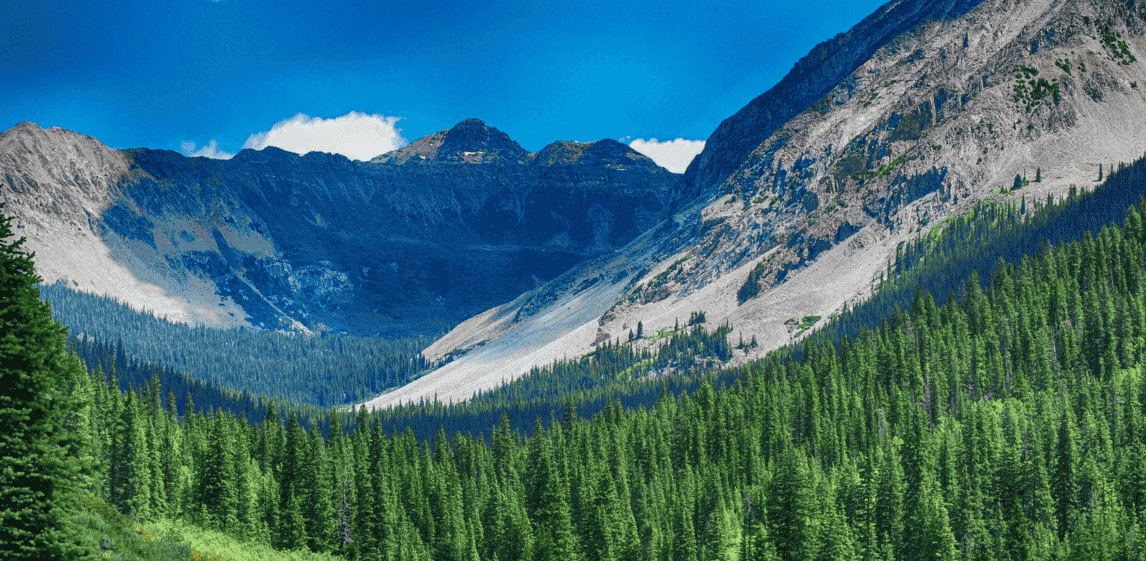
3. Crested Butte, Colorado
A Character-Driven Mountain Town That Resists Over-Polishing
Fun fact: Crested Butte is known as the Wildflower Capital of Colorado, with over 1,500 species blooming across its surrounding valleys each summer.
Crested Butte doesn’t try to compete with Colorado’s bigger-name resort towns—and that’s exactly why it works.
It’s smaller, more contained, and intentionally a little less refined. The town has held onto its identity in a way that many mountain markets haven’t. There’s color here. Personality. A sense that not everything has been optimized or smoothed out.
That restraint gives it staying power.
Set against the Elk Mountains, Crested Butte feels more open than enclosed, with wide alpine views and a town layout that stays compact without feeling crowded.
In summer, the landscape shifts dramatically. The area becomes known as the Wildflower Capital of Colorado, with hillsides covered in color rather than snow.
In winter, attention turns to Crested Butte Mountain Resort, where terrain draws a more experienced, less casual ski crowd.
What Daily Life Actually Feels Like
Life in Crested Butte leans local.
- Walkable town center with independently owned shops and restaurants
- Trail access that starts close and extends quickly into open terrain
- Seasonal rhythm that feels noticeable, not manufactured
Summer and winter feel distinctly different, and residents tend to embrace both rather than favor one.
There’s also a creative undercurrent here. Galleries, small events, and a steady arts presence give the town a slightly off-center feel—in a good way.
It doesn’t feel curated. It feels lived in.
Real Estate, Simplified
Crested Butte operates on a smaller scale.
Inventory is typically limited, and the market breaks into a few clear segments:
- Historic town properties — colorful homes, walkability, strong character
- Mt. Crested Butte properties — ski access, more resort-oriented
- Outlying homes and land — quieter, more space, less immediate access
What tends to matter most:
- Proximity to town vs. ski base
- Views and surrounding open space
- Long-term usability across seasons
There’s less volume here, which means fewer options—but often stronger attachment to what’s available.
Who It Aligns With
Crested Butte tends to attract buyers who are:
- Drawn to smaller, more personality-driven towns
- Comfortable with limited inventory and fewer polished options
- Interested in both summer and winter lifestyles equally
This is not a market built around flash. It’s built around feel.
Where It Can Miss
Crested Butte isn’t designed for scale.
- Limited commercial infrastructure compared to larger resort towns
- Fewer luxury inventory options at any given time
- Requires more effort to access than more central Colorado locations
For buyers prioritizing convenience, variety, or high-end uniformity, this can feel restrictive.
Why It Holds Long-Term
Crested Butte works because it hasn’t tried to become something else.
It has remained smaller, more independent, and more defined by its community than by outside demand. That tends to preserve identity over time.
And in markets like this, identity is often what holds value.
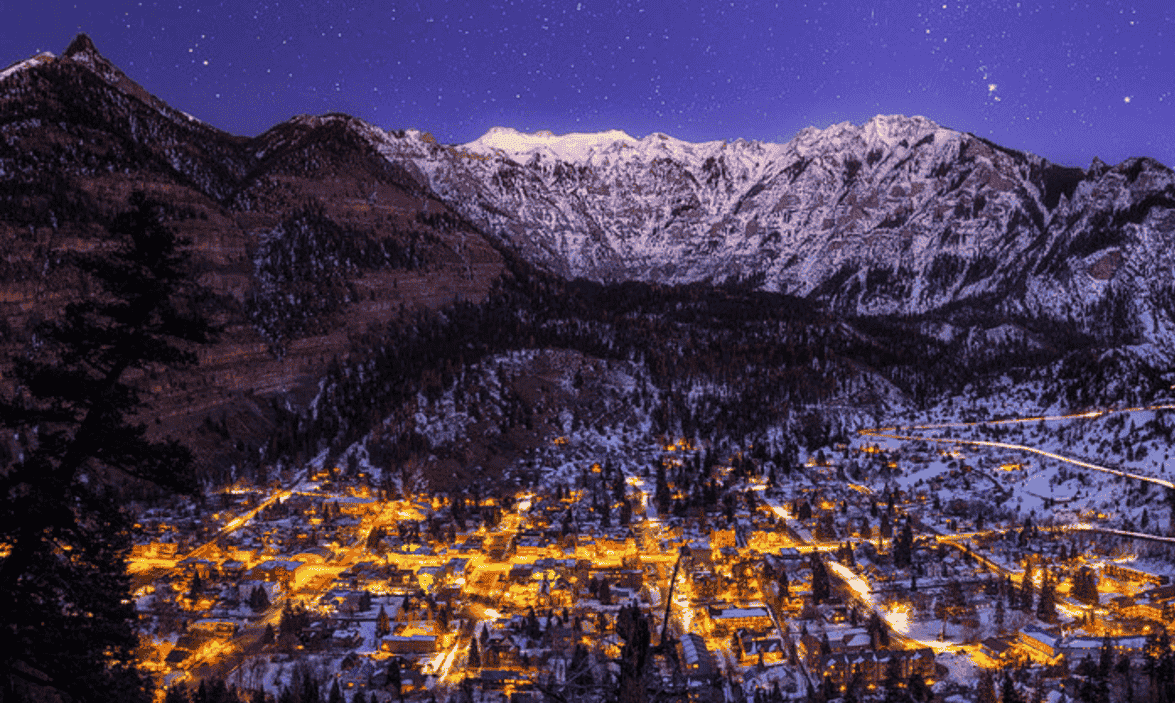
4. Ouray, Colorado
A Compact Mountain Setting with Immediate Impact
Fun fact: Ouray Ice Park draws climbers from around the world and is one of the largest man-made ice climbing venues on Earth.
Ouray is one of the rare places where the scale of the landscape takes over immediately.
Steep peaks rise straight out of town. Waterfalls cut through the edges. The entire setting feels tight, vertical, and visually dramatic in a way that’s hard to replicate elsewhere in Colorado.
There’s no easing into it. You arrive, and it’s already there.
Set deep in the San Juan Mountains, Ouray is physically constrained much like Telluride—but on a smaller, more intimate scale.
The town itself remains compact, with a preserved historic core and immediate access to surrounding terrain. There’s very little separation between “town” and “mountain”—they exist on top of each other.
The Ouray Ice Park and nearby alpine routes reinforce that closeness. Recreation here isn’t something you drive to—it starts at the edge of town.
What Daily Life Actually Feels Like
Life in Ouray is shaped by proximity and pace.
- Walkable downtown with historic buildings and small local businesses
- Direct access to trails, off-road routes, and climbing terrain
- Regular use of hot springs as part of everyday routine
Places like the Ouray Hot Springs Pool aren’t occasional stops—they’re part of how people unwind after being outside. The town moves slower. Not inactive, just less rushed. There’s less pressure to optimize every day, and more space to simply exist within the setting.
Real Estate, Simplified
Ouray is a small, tightly held market.
Inventory is limited, and options tend to fall into a few categories:
- Historic homes — centrally located, character-driven, walkable
- In-town residences — smaller footprint, close to amenities
- Hillside and edge properties — more views, slightly more privacy
What tends to matter most:
- Proximity to downtown
- Mountain views and orientation
- Accessibility during winter conditions
There’s not a wide range of inventory at any given time, which means availability often matters as much as preference.
Who It Aligns With
Ouray tends to attract buyers who are:
- Drawn to dramatic mountain environments over expansive towns
- Comfortable with smaller-scale living and fewer amenities
- Interested in outdoor access that starts immediately
This is less about variety, more about immersion.
Where It Can Miss
Ouray’s scale comes with tradeoffs.
- Limited inventory and housing diversity
- Fewer dining, retail, and service options than larger towns
- Not ideal for buyers needing convenience or infrastructure depth
If you’re looking for flexibility, this can feel tight.
Why It Holds Long-Term
Ouray’s value comes from its setting.
It’s difficult to replicate this kind of vertical terrain combined with a preserved, compact town. That combination keeps demand consistent, even without expansion.
It doesn’t try to be larger than it is.
And that restraint is what keeps it distinct.
5. Durango, Colorado
A Layered Mountain Town with Real Year-Round Function
Fun fact: The Durango & Silverton Narrow Gauge Railroad has been running since 1882, originally built to transport silver and gold from the mountains.
Durango carries more weight than most Colorado mountain towns.
Not just visually—but structurally. It has history, infrastructure, and a level of everyday functionality that goes beyond seasonal appeal. This isn’t a place that exists only for visitors. It operates as a full-time town first, with recreation layered into it.
That distinction matters.
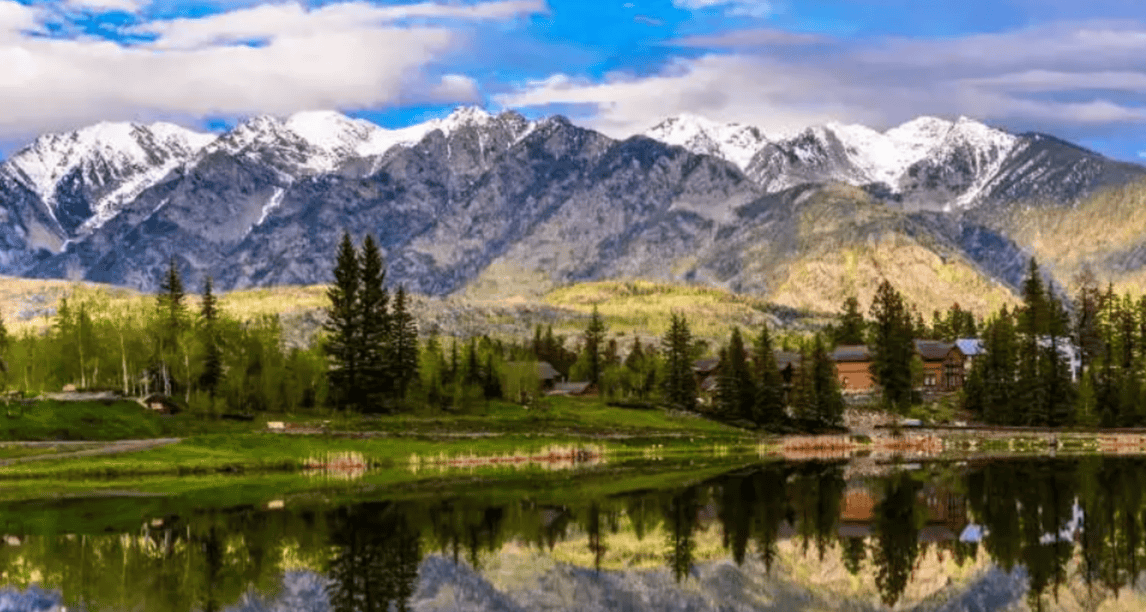
Set in southwestern Colorado, Durango sits along the Animas River, with the San Juan Mountains rising just beyond.
The town itself has more depth than a typical resort market. A historic downtown anchors it, while surrounding areas expand outward into neighborhoods, open land, and access points into the mountains.
The presence of the Durango & Silverton Narrow Gauge Railroad reinforces that sense of history—it’s not just preserved, it’s still active.
What Daily Life Actually Feels Like
Durango blends movement with routine.
- River access for rafting, fishing, and summer activity
- Trail systems and national forest access just outside town
- A functioning downtown that supports daily life, not just tourism
In winter, attention shifts toward nearby skiing at Purgatory Resort, but the town itself doesn’t revolve entirely around it.
There’s a steadiness here. More consistency across seasons, less dependence on peak periods.
Real Estate, Simplified
Durango offers more range than most mountain markets.
Inventory tends to break into broader categories:
- Historic and in-town homes — walkable, close to schools and amenities
- Suburban-style neighborhoods — more space, primary residence appeal
- Outlying properties and land — privacy, views, long-term flexibility
What tends to matter most:
- Proximity to downtown vs. surrounding land
- Access to outdoor corridors (river, trails, forest)
- Long-term usability as a full-time residence
Compared to tighter resort towns, buyers here often have more options—but still need clarity on how they plan to use the property.
Who It Aligns With
Durango tends to attract buyers who are:
- Looking for a primary residence, not just a second home
- Interested in a mountain town with real infrastructure and services
- Drawn to a mix of history, outdoor access, and daily functionality
This is less of an escape, more of a place to build life.
Where It Can Miss
Durango doesn’t carry the same profile as higher-end resort markets.
- Less exclusivity than Aspen, Telluride, or Vail
- Broader layout means less immediate walkability in some areas
- Not as tightly curated or visually uniform
For buyers seeking prestige or a more controlled luxury environment, it may feel less defined.
Why It Holds Long-Term
Durango works because it isn’t dependent on a single identity.
It functions year-round, supports full-time living, and offers enough range to adapt across different types of buyers and lifestyles.
That kind of flexibility tends to age well.
It’s not built around a moment—it’s built to last.
6. Salida, Colorado
A Creative Mountain Town with a Slower, More Intentional Pace
Fun fact: Salida was one of Colorado’s first officially designated Creative Districts, with more artists per capita than many larger cities.
Salida doesn’t try to compete for attention—and that’s part of why people remember it.
It’s smaller, more personal, and shaped as much by its creative culture as its outdoor access. There’s a looseness here that feels intentional. Not unstructured—just not overly engineered.
It’s the kind of place that reveals itself gradually.
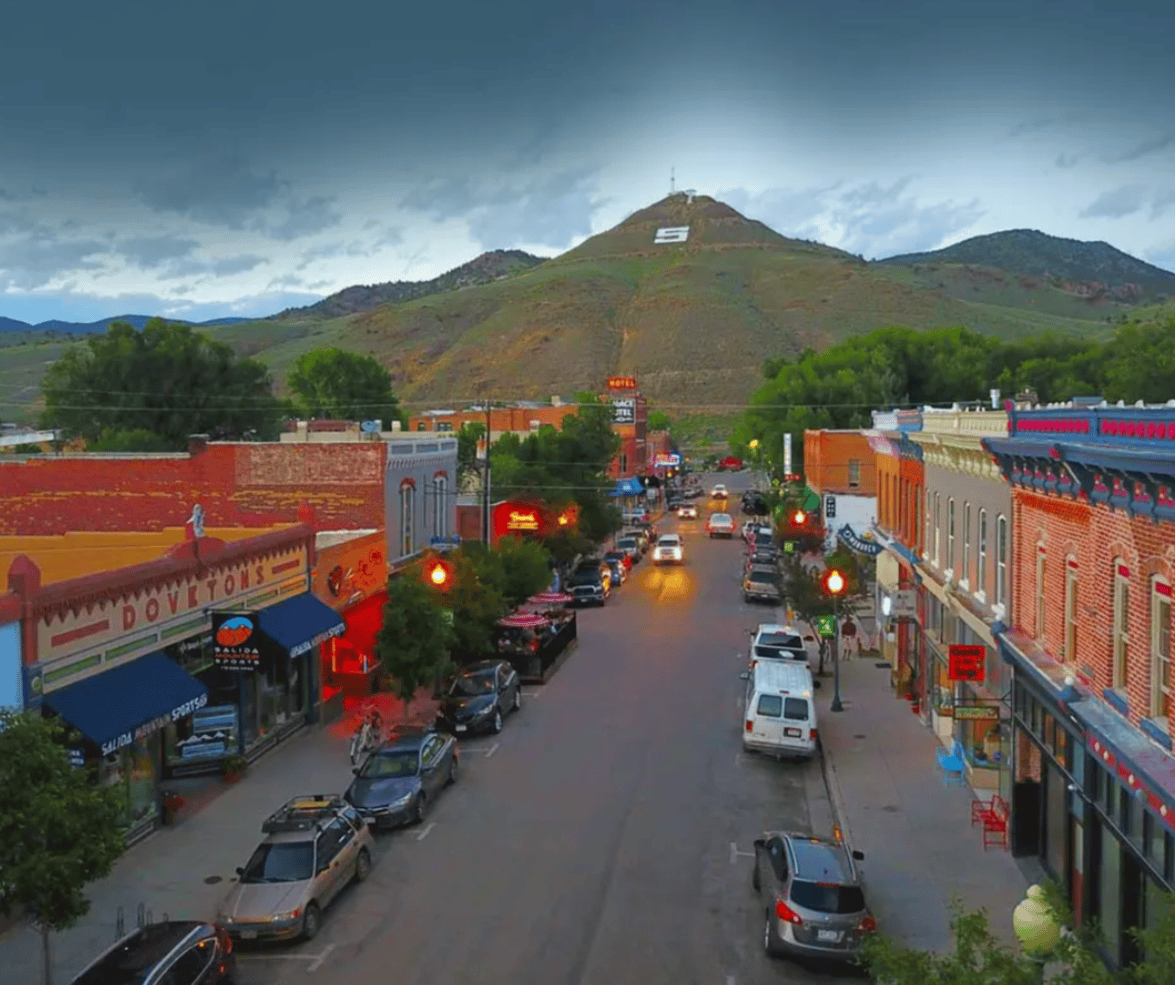
Salida sits along the Arkansas River, with the Sawatch Range rising nearby.
The town is designated as a Creative District, but it doesn’t feel branded that way. The arts presence shows up naturally—murals, galleries, small events—woven into the environment rather than staged for it.
There’s a balance here between water, mountains, and town life that feels easy rather than forced.
What Daily Life Actually Feels Like
Life in Salida moves at a different pace.
- River access for rafting, kayaking, and slower afternoons along the water
- Trail systems that stay active but never feel crowded
- A downtown that feels local first, not visitor-driven
Outdoor activity is constant, but it’s not rushed. People spend time here differently.
Events like FIBArk and local art walks bring energy into the town—but they feel community-driven, not manufactured for volume.
Real Estate, Simplified
Salida operates on a smaller, more limited scale.
Inventory generally falls into a few categories:
- Historic homes near downtown — character-driven, walkable
- In-town neighborhoods — practical, community-oriented
- Outlying homes and land — more space, more privacy, less immediacy
What tends to matter most:
- Proximity to the river and downtown
- Mountain views and surrounding landscape
- Long-term livability vs. short-term appeal
There’s less inventory overall, which makes alignment more important than abundance.
Who It Aligns With
Salida tends to attract buyers who are:
- Drawn to creative environments and independent communities
- Looking for a slower, more intentional pace of life
- Interested in outdoor access without the pressure of a resort market
This is not about status. It’s about fit.
Where It Can Miss
Salida isn’t built for scale or intensity.
- Limited inventory and fewer high-end options
- Smaller infrastructure compared to larger towns
- Less energy if you’re seeking a fast-paced or highly social environment
For some, it can feel too quiet.
Why It Holds Long-Term
Salida works because it hasn’t overextended itself.
It remains grounded in its community, its river, and its surrounding landscape. That consistency gives it stability without needing constant reinvention.
It’s not trying to be bigger.
It’s just staying true to what it is—and that tends to hold.
7. Fort Collins, Colorado
A Balanced City with Depth Beyond the College Label
Fun fact: Old Town was one of the inspirations for Disneyland’s Main Street, USA!
Fort Collins is often reduced to one idea: a college town.
It is that—but it’s also more structured, more livable, and more layered than that label suggests. The presence of Colorado State University shapes the energy, but it doesn’t define the entire experience.
This is one of the few places in Colorado that blends culture, outdoor access, and day-to-day functionality without leaning too heavily in any one direction.
Located in northern Colorado, Fort Collins sits between open plains and foothills, giving it a different kind of landscape than most mountain towns.
The Cache la Poudre River runs nearby, while Horsetooth Reservoir provides a central hub for outdoor activity.
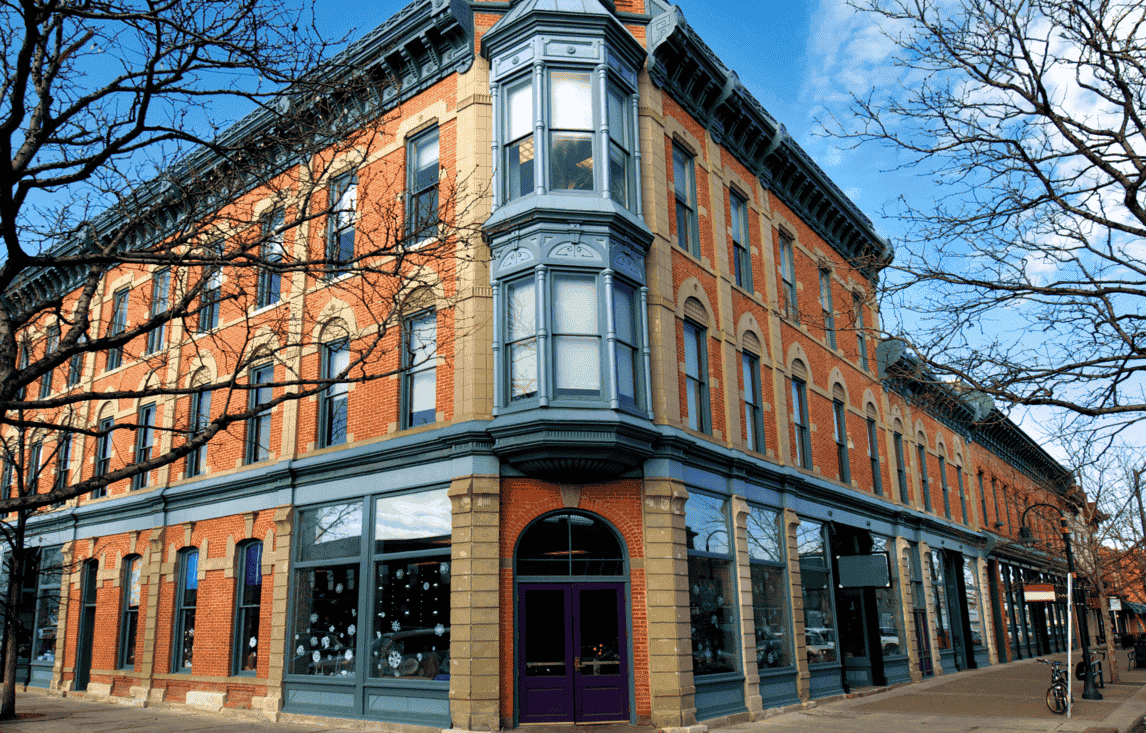
Old Town anchors the city visually and socially, with walkable streets, preserved architecture, and a layout that supports everyday movement—not just tourism.
What Daily Life Actually Feels Like
Fort Collins runs on consistency.
- Extensive bike paths integrated into daily routines
- A steady mix of students, professionals, and long-term residents
- Outdoor access that complements, rather than dominates, daily life
There’s also a strong local culture here—especially around craft brewing, with names like New Belgium Brewing Company helping define the identity of the city.
It feels active, but not overwhelming. Social, but not performative.
Real Estate, Simplified
Fort Collins offers more structure than most Colorado markets.
Inventory tends to fall into clear segments:
- Old Town and central neighborhoods — historic homes, walkability, strong character
- Established residential areas — primary-home focused, more space and stability
- Newer developments — modern builds, planned communities, expansion areas
What tends to matter most:
- Proximity to Old Town or major corridors
- Access to schools, parks, and bike infrastructure
- Long-term livability as a primary residence
This is less about seasonal ownership, more about everyday use.
Who It Aligns With
Fort Collins tends to attract buyers who are:
- Looking for a full-time residence with strong infrastructure
- Interested in a social, active environment without resort pricing
- Drawn to a balance of culture, outdoor access, and practicality
It’s a place where life happens steadily—not just in bursts.
Where It Can Miss
Fort Collins isn’t a mountain resort.
- Lacks the immediate alpine setting of higher-elevation towns
- Less exclusivity than luxury-focused markets
- Broader suburban feel in certain areas
For buyers prioritizing dramatic scenery or resort-style living, it may feel too grounded.
Why It Holds Long-Term
Fort Collins works because it’s balanced.
It doesn’t depend on a single industry, a single season, or a single identity. It supports full-time living in a way many Colorado markets can’t.
That kind of consistency—quiet, steady, and well-supported—is what tends to hold value over time.
8. Evergreen, Colorado
A Mountain Retreat That Stays Within Reach
Fun fact: Evergreen Lake freezes solid enough in winter to become one of the largest outdoor Zamboni-maintained skating rinks in the U.S.
Evergreen sits just far enough from Denver to feel like a retreat—but not so far that it disrupts everyday life.
That balance is the entire draw.
It offers trees, quiet, and mountain air without requiring full separation from structure, work, or access. Unlike deeper resort towns, Evergreen functions as a true residential environment first.
It’s not an escape you visit occasionally. It’s one you can sustain.
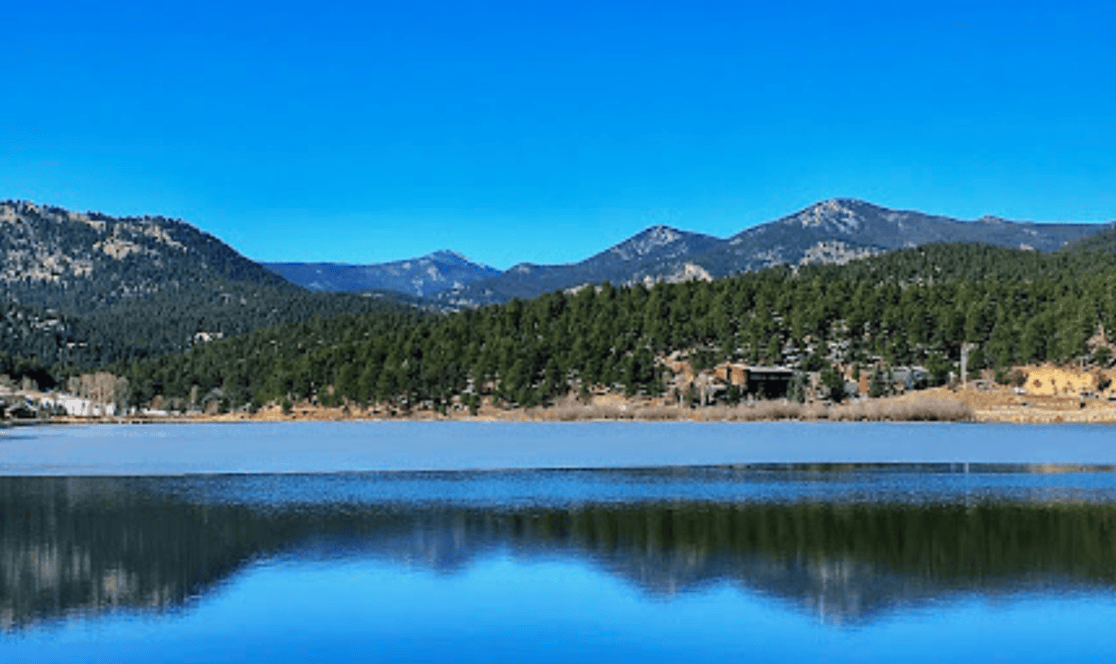
Set in the foothills west of Denver, Evergreen is defined by forest, rolling terrain, and water.
Evergreen Lake anchors the community visually and socially, while nearby areas like Elk Meadow Park and Three Sisters Park extend outdoor access in every direction.
The setting feels immersive—but not isolated.
What Daily Life Actually Feels Like
Life in Evergreen blends nature with routine.
- Morning drives through forested roads instead of traffic corridors
- Regular use of trails, lake access, and open space
- A slower pace that still supports structured daily living
Seasonal shifts are noticeable but manageable. Winter brings snow and stillness. Summer opens up the landscape without overwhelming it.
There’s also a strong local community presence—small businesses, events, and familiar faces rather than constant turnover.
Real Estate, Simplified
Evergreen’s housing is shaped by land and layout.
Inventory generally falls into:
- Mountain homes and cabins — wooded lots, privacy, traditional character
- Custom builds — larger homes with views and more modern layouts
- Planned pockets — more structured neighborhoods with easier access
What tends to matter most:
- Lot size and tree coverage
- Privacy and spacing between homes
- Drive time and access to Denver
Unlike resort markets, this is about livability first, not seasonal positioning.
Who It Aligns With
Evergreen tends to attract buyers who are:
- Looking for a primary residence with a mountain feel
- Wanting proximity to Denver without living in it
- Drawn to privacy, nature, and a quieter daily rhythm
It’s less about retreating completely, more about repositioning how you live.
Where It Can Miss
Evergreen requires some adjustment.
- Longer drive times compared to suburban living
- Weather and road conditions can impact accessibility
- Less immediate density of dining, retail, and nightlife
For buyers who prioritize convenience above all else, it can feel removed.
Why It Holds Long-Term
Evergreen works because it solves a specific problem.
It offers mountain living without fully disconnecting from city infrastructure. That balance is difficult to replicate—and consistently in demand.
It doesn’t try to compete with resort towns or urban centers.
It simply sits between them, and does it well.
9. Pagosa Springs, Colorado
A Slower Mountain Market Built Around Water and Space
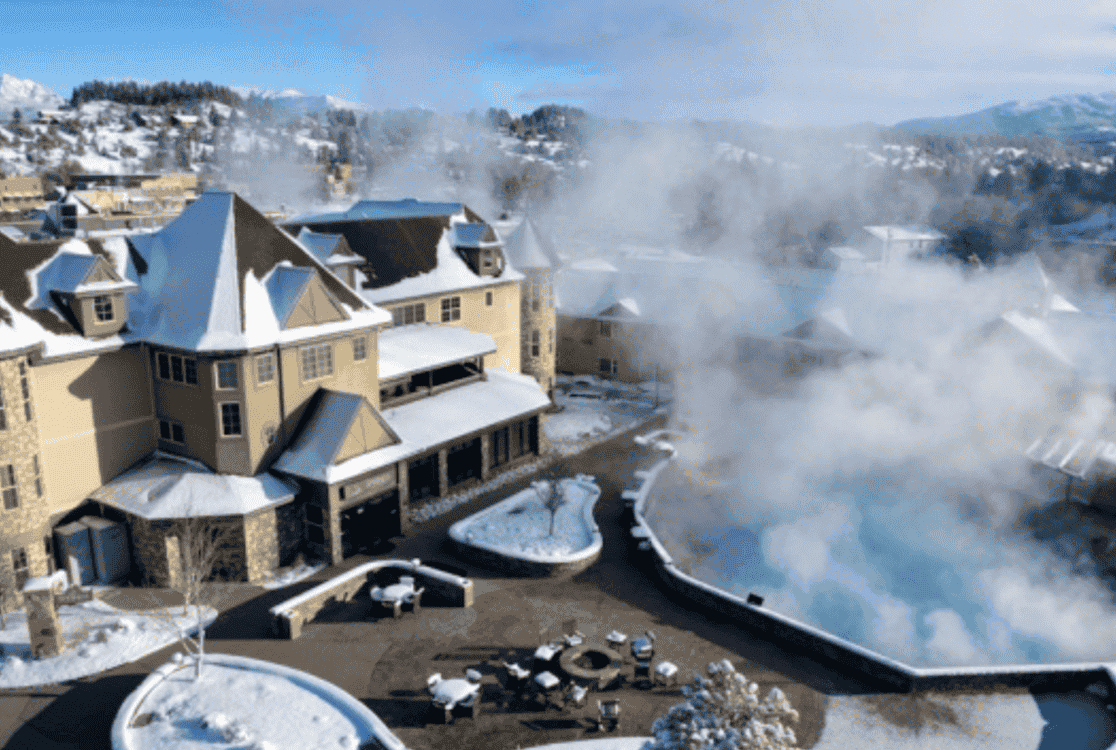
Fun fact: The Springs Resort & Spa is home to the world’s deepest known geothermal hot spring.
Pagosa Springs moves at a different pace than most Colorado mountain towns.
It’s quieter, more spread out, and less driven by visibility. The town is built around its natural assets—hot springs, river access, and surrounding forest—but it doesn’t try to overdevelop or over-curate them.
It feels restorative in a way that isn’t manufactured.
Set in southern Colorado, Pagosa Springs is surrounded by the San Juan Mountains and bordered by the San Juan River, which runs directly through town.
The surrounding San Juan National Forest expands outward into miles of open land, trails, and undeveloped terrain.
Nearby, Wolf Creek Pass delivers some of the highest snowfall totals in the state—without the density of larger resort areas.
What Daily Life Actually Feels Like
Life in Pagosa Springs leans into stillness.
- Regular use of hot springs as part of routine, not occasion
- River access for fishing, kayaking, and slower outdoor time
- Open space that feels expansive rather than crowded
There’s less urgency here. Fewer crowds. Less pressure to keep up.
The town doesn’t revolve around events or high-volume tourism. It revolves around environment.
Real Estate, Simplified
Pagosa Springs offers more land and spacing than most mountain markets.
Inventory generally falls into:
- In-town homes — closer to amenities, smaller lots
- Riverside properties — scenic, limited, highly desirable
- Outlying homes and land — acreage, privacy, long-term flexibility
What tends to matter most:
- Access to water (river or hot springs proximity)
- Views and surrounding land
- Distance from town vs. level of seclusion
Buyers here often prioritize space and quiet over immediacy.
Who It Aligns With
Pagosa Springs tends to attract buyers who are:
- Looking for a slower, more restorative environment
- Interested in land, space, and long-term use
- Less concerned with status or high-traffic visibility
This is not a performance market. It’s a retreat that people actually live in.
Where It Can Miss
Pagosa Springs isn’t built for convenience.
- More remote than most Colorado destinations
- Limited commercial infrastructure and dining variety
- Fewer luxury inventory options at any given time
For buyers needing access, energy, or constant activity, it can feel too quiet.
Why It Holds Long-Term
Pagosa Springs works because it doesn’t overextend.
It leans into what it has—water, land, and space—and avoids trying to become something louder or more crowded.
That restraint keeps it grounded.
And in a state where many markets are pushing toward density, that kind of openness tends to hold its value.
10. Silverthorne, Colorado
A Summit County Market That’s Growing Into Its Own
Fun fact: Silverthorne sits at the intersection of four major ski routes, placing it within 20–30 minutes of multiple resorts without being defined by just one.
Silverthorne has long been treated as a pass-through town.
That perception is outdated.
While its location still plays a major role, the town itself has evolved. Investment in infrastructure, arts, and community spaces has shifted it from a stop along the way to a place people intentionally choose.
It’s still practical—but no longer overlooked.
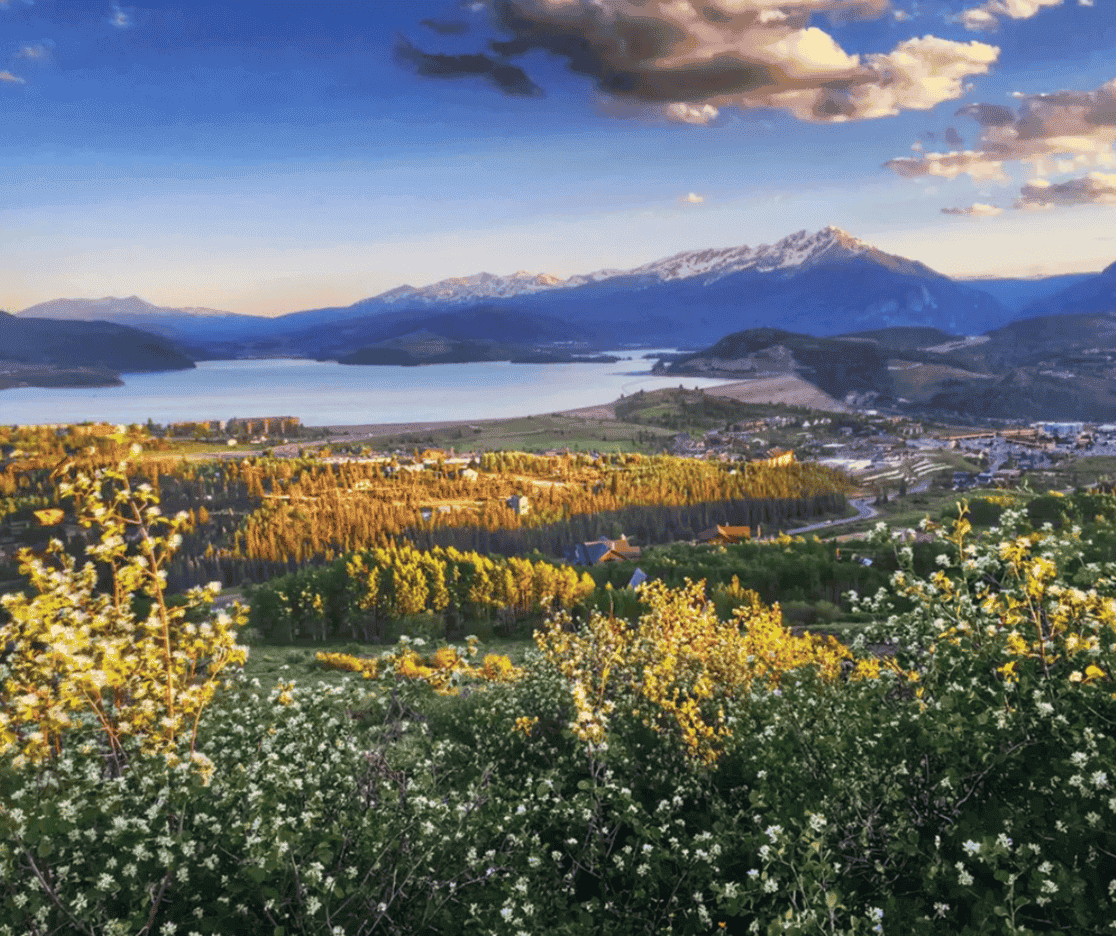
Located in Summit County, Silverthorne sits along the Blue River, with the Dillon Reservoir just minutes away.
Surrounding peaks and open alpine terrain create a setting that feels consistent with nearby resort towns—but with more breathing room between developments.
The addition of spaces like the Silverthorne Performing Arts Center reflects the town’s shift toward a more complete identity.
What Daily Life Actually Feels Like
Silverthorne blends access with practicality.
- Quick reach to multiple ski resorts without living directly inside one
- River and reservoir access for year-round recreation
- A growing mix of dining, events, and local activity
It feels less insulated than traditional resort towns. More connected, more flexible.
There’s a noticeable shift happening here—from convenience to community.
Real Estate, Simplified
Silverthorne offers a wider range of entry points than neighboring resort markets.
Inventory typically includes:
- Condos and townhomes — accessible, often used as second homes
- Single-family homes — more space, residential feel
- Hillside and view properties — elevated positioning, stronger views
What tends to matter most:
- Proximity to I-70 and surrounding resorts
- Views and elevation
- Long-term usability vs. short-term convenience
Compared to Breckenridge or Vail, buyers here often trade immediate resort access for flexibility and value.
Who It Aligns With
Silverthorne tends to attract buyers who are:
- Looking for Summit County access without premium resort pricing
- Wanting flexibility across multiple ski areas and seasons
- Interested in a market that’s still evolving
This is less about status, more about positioning.
Where It Can Miss
Silverthorne is still transitioning.
- Less established identity than neighboring resort towns
- Some areas feel more functional than refined
- Not as walkable or condensed as traditional ski villages
For buyers seeking a fully built-out, polished environment, it may feel incomplete.
Why It Holds Long-Term
Silverthorne works because of where it sits—and how it’s developing.
It benefits from proximity to some of Colorado’s strongest resort markets while continuing to build its own infrastructure and identity.
That combination—location plus growth—tends to create long-term upside.
It’s no longer just along the way.
It’s becoming a destination in its own right.
11. Carbondale, Colorado
A Grounded Roaring Fork Market with Creative Energy
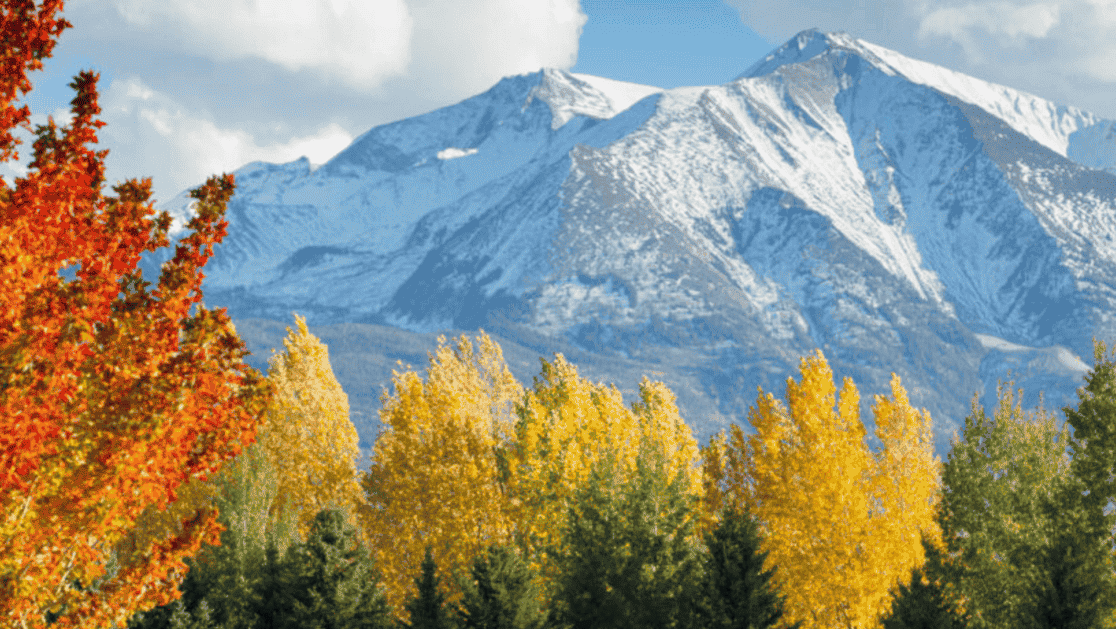
Fun fact: Carbondale sits directly beneath Mount Sopris, a 12,965-foot peak visible from nearly every part of town.
Carbondale exists in the shadow of bigger names.
Aspen. Snowmass. The rest of the Roaring Fork Valley.
And yet, it’s often the place people end up choosing once they’ve spent time in the area.
It’s less polished, less pressured, and more rooted in everyday life. The town has identity—not because it tries to stand out, but because it hasn’t been reshaped to fit expectations.
Located in the Roaring Fork Valley, Carbondale sits between the Roaring Fork River and the Crystal River, with open access to surrounding mountains and trails.
The setting feels expansive, but the town itself remains compact and community-driven.
Mount Sopris anchors the landscape—always visible, always present—giving the area a strong visual identity that doesn’t rely on development or design.
What Daily Life Actually Feels Like
Carbondale leans into community over spectacle.
- A walkable downtown with locally owned businesses and familiar faces
- Easy access to trails, rivers, and surrounding open space
- A steady rhythm that doesn’t shift dramatically with tourism cycles
There’s also a strong creative presence here. Events like First Fridays and the town’s arts culture feel organic—not staged.
It’s social, but not performative.
Real Estate, Simplified
Carbondale offers a different entry point into the Roaring Fork Valley.
Inventory typically includes:
- In-town homes — walkable, community-centered, character-driven
- Suburban-style neighborhoods — more space, primary residence appeal
- Outlying properties — land, views, and increased privacy
What tends to matter most:
- Proximity to downtown vs. surrounding land
- Views, especially toward Mount Sopris
- Access to Aspen/Snowmass without being inside those markets
Buyers often see Carbondale as a way to access the valley without fully stepping into its highest price tiers.
Who It Aligns With
Carbondale tends to attract buyers who are:
- Looking for Roaring Fork Valley access without Aspen-level intensity
- Drawn to community, creativity, and a more grounded environment
- Interested in full-time living rather than purely seasonal use
This is a place people settle into—not just pass through.
Where It Can Miss
Carbondale isn’t built around luxury positioning.
- Less prestige and visibility than Aspen or Snowmass
- Smaller inventory pool at higher price points
- Fewer high-end amenities and curated experiences
For buyers prioritizing status or a fully polished environment, it may feel understated.
Why It Holds Long-Term
Carbondale works because it’s anchored.
It’s tied to its community, its landscape, and its position within the valley. It doesn’t need to compete directly with neighboring luxury markets to remain relevant.
In many ways, it benefits from them—without becoming them.
And that distinction tends to hold over time.
12. Boulder, Colorado
A High-Functioning Market Where Lifestyle and Structure Meet
Fun fact: Boulder has over 45,000 acres of protected open space, permanently limiting development and preserving its foothill backdrop.
Boulder isn’t hidden—but it’s often misunderstood.
People focus on its reputation—tech, university, progressive culture—but what actually makes Boulder stand out is how well it functions across multiple layers at once.
It’s one of the few places in Colorado where outdoor access, economic strength, and day-to-day livability all hold equal weight.
That balance is difficult to replicate.
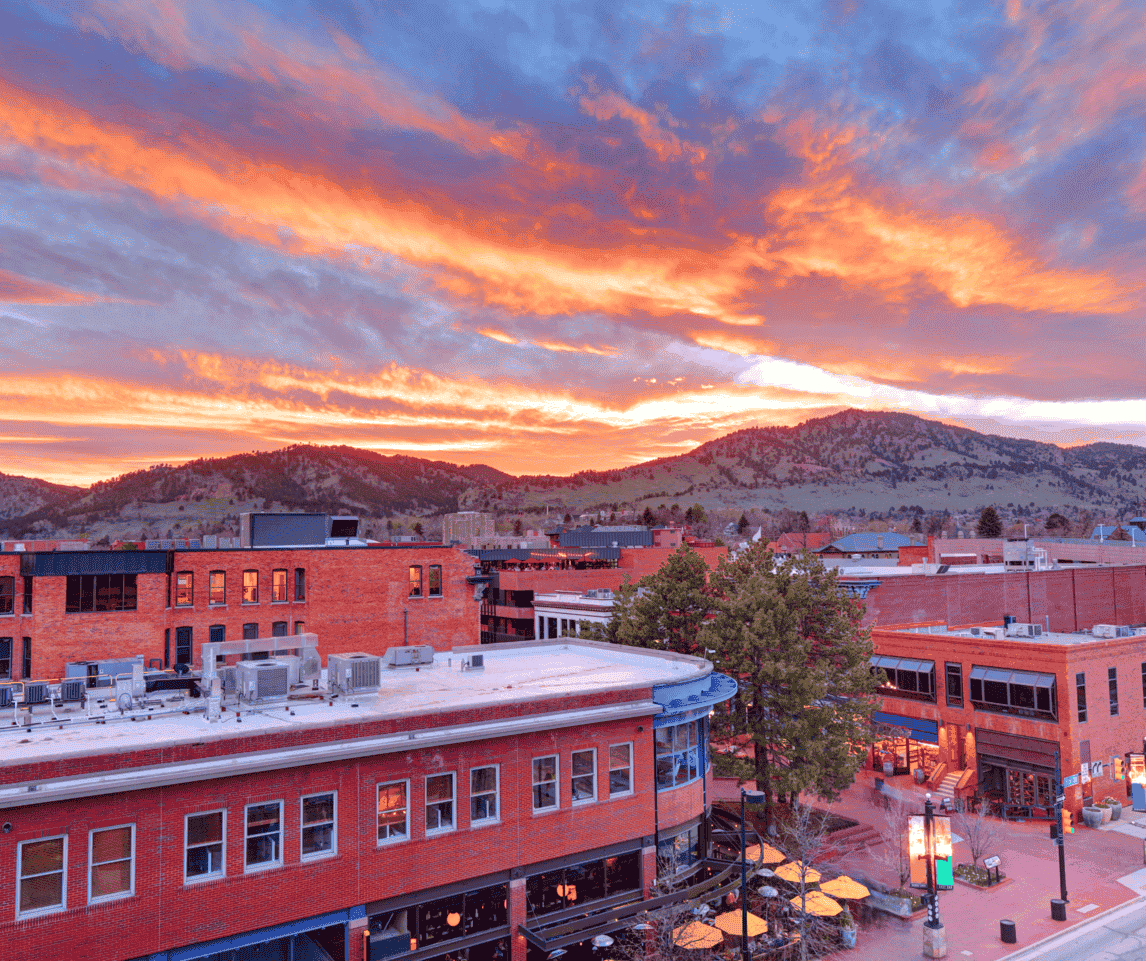
Set at the base of the Flatirons, Boulder blends foothill terrain with a structured, highly planned city layout.
Protected land and strict development controls have preserved both views and spacing, preventing the kind of unchecked expansion seen in other growing markets.
Areas like Pearl Street Mall anchor the social core, while surrounding neighborhoods extend outward in a way that still feels intentional.
What Daily Life Actually Feels Like
Boulder operates with consistency and access.
- Immediate trail access without leaving the city
- Walkable districts that support daily routines
- A strong mix of outdoor activity, dining, and cultural events
The presence of University of Colorado Boulder adds energy, but the city doesn’t revolve around it.
This is not a seasonal market. It’s active year-round, with a pace that stays steady rather than fluctuating.
Real Estate, Simplified
Boulder is one of the more constrained markets in Colorado.
Inventory generally falls into:
- Central and historic neighborhoods — walkable, high demand, tightly held
- North Boulder (NoBo) and newer areas — modern builds, planned growth
- Foothill and edge properties — more privacy, views, and land constraints
What tends to matter most:
- Proximity to trails and open space
- Walkability to core areas
- Long-term value tied to land scarcity and regulation
There’s limited room to expand, which keeps pressure on existing inventory.
Who It Aligns With
Boulder tends to attract buyers who are:
- Looking for a primary residence with strong infrastructure
- Drawn to outdoor access without sacrificing city-level amenities
- Comfortable with a competitive, high-demand market
This is less about retreat—and more about integration.
Where It Can Miss
Boulder’s strengths come with tradeoffs.
- Higher pricing relative to most Colorado markets
- Strict regulations that can limit redevelopment flexibility
- Competitive environment with limited inventory
For buyers seeking flexibility, lower entry points, or less structure, it can feel restrictive.
Why It Holds Long-Term
Boulder holds because it’s controlled.
Growth is limited. Demand remains steady. And the combination of outdoor access, economic strength, and livability keeps it consistently relevant.
It doesn’t rely on hype.
It operates on fundamentals—and those tend to last.
Discover Colorado’s Best-Kept Secrets
Colorado is a treasure trove of unique neighborhoods, each offering something special. From the serene beauty of Evergreen and the artistic energy of Carbondale to the adventurous spirit of Telluride and the cultural sophistication of Boulder, these hidden gems showcase the diversity and charm of the Centennial State.
Whether you’re seeking world-class outdoor recreation, a thriving arts scene, or a peaceful place to call home, Colorado’s underrated neighborhoods deliver it all. They’re not just destinations—they’re communities where you can create lasting memories, build connections, and live your dream lifestyle.
At Summit Colorado Realty, we’re here to help you discover the perfect home in one of Colorado’s most inspiring locales. Whether you’re buying, selling, or simply exploring your options, we’ll guide you every step of the way with expertise and care.
Ready to uncover Colorado’s hidden gems? Let’s find the neighborhood that speaks to you.
Click to Share