
Steamboat Springs
Luxury Real Estate
Acquiring Property in a Mountain Market Built on Land, Legacy, and Lifestyle
Steamboat Springs, CO, Real Estate Market Snapshot
Luxury Market Snapshot — Steamboat Springs, CO
Latest Available Data: February 2026
Active inventory:
207
Closed sales: 28
Median $/sq ft: $796.5
Median DOM:
92
Median sale price: $1,323,000
Months of supply:
5.1
Market posture: Seller-leaning
Want a complete look into the most recent market data? Check out our Monthly Summit Colorado Realty Market Report.
A Market Defined by Land, Legacy, and Limited Supply
Steamboat Springs is not simply a ski destination with rising price points. It is a heritage-driven mountain market shaped by ranching history, protected land, and a buyer base that values long-term ownership over short-term positioning.
Inventory remains structurally limited, though for different reasons than resort enclaves elsewhere. Large portions of surrounding land are held by generational ranch families, conservation easements, and national forest boundaries. Development occurs, but at a measured pace. Prime ski access, acreage properties, and homes with unobstructed valley views are finite. When well-located properties surface, they are absorbed with intention.
Luxury buyers in Steamboat are rarely chasing visibility. Many are acquiring legacy ranch estates, ski homes intended for family continuity, or long-term holds within a diversified real asset portfolio. Cash remains prevalent in higher tiers, and decisiveness often replaces prolonged negotiation when the right property aligns with lifestyle goals.
Seasonality influences activity, particularly during ski season and summer events, but demand is not purely cyclical. Off-peak periods can present quieter acquisition windows, especially for acreage and private holdings where discretion matters.
Steamboat’s upper tiers operate differently than more transactional resort markets across Colorado. Pricing is shaped by land quality, water rights, proximity to the mountain, valley orientation, and long-term development outlook. Square footage alone does not define value. Context does.
For buyers entering this market, understanding cultural and geographic nuance matters as much as identifying the right home. Access to off-market conversations, knowledge of legacy land holdings, and disciplined positioning often shape outcomes more than headline pricing.
Steamboat rewards patience, relationships, and long-term vision.

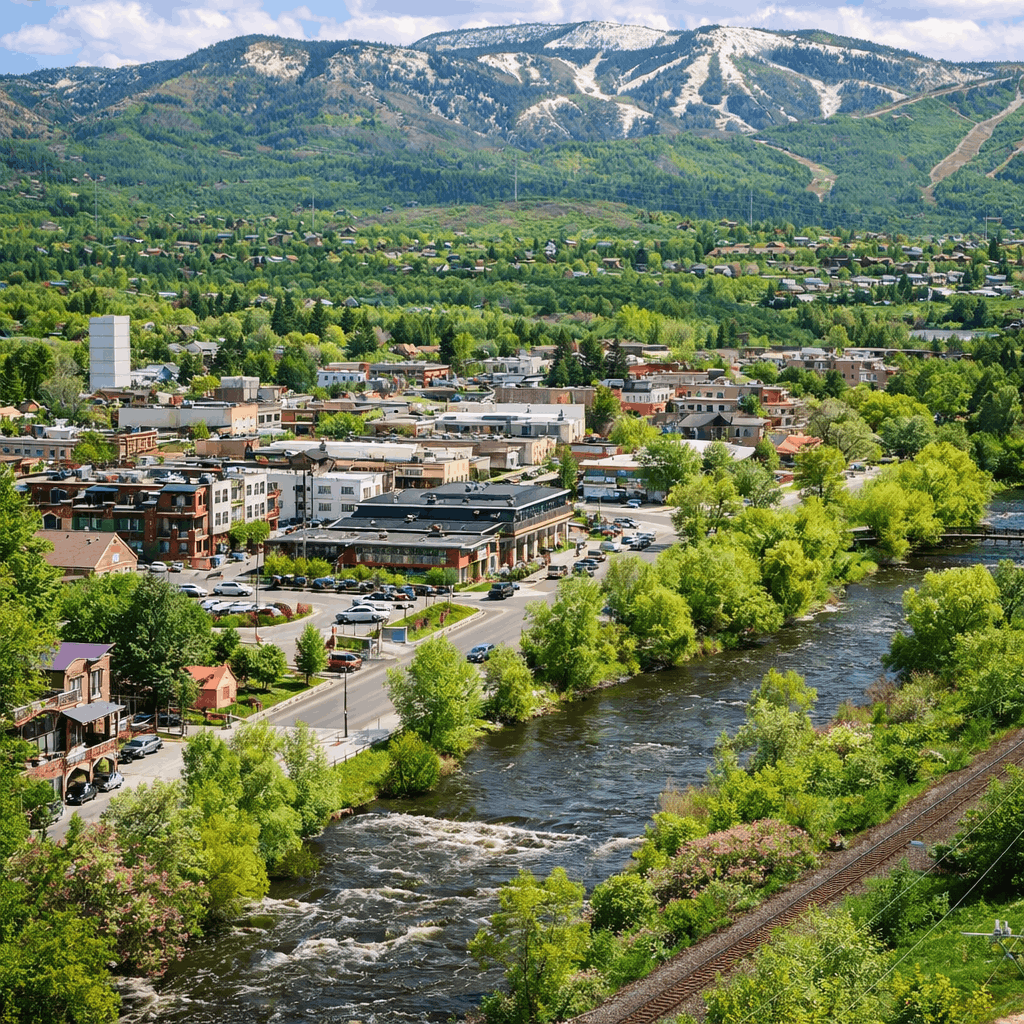
Distinctive Steamboat Springs Neighborhoods
Steamboat Springs is not defined by a single enclave but by a collection of premier communities shaped by land, mountain access, and enduring Western heritage. From ski-access residences near the resort to private ranch estates across the Yampa Valley, each neighborhood offers a distinct balance of privacy, acreage, and proximity to town. Ownership here is intentional and often long-term, with buyers prioritizing land quality, views, access, and generational value over visibility. Explore Steamboat’s most established and sought-after neighborhoods below to identify the setting that aligns with your lifestyle and long-term vision.
Looking for a luxury home in Steamboat Springs?
Contact our team
today for access to private listings and expert guidance from top
Steamboat Springs luxury specialists.
The Steamboat Springs Luxury Buyer Profile
Who Acquires Property Here — and Why
Steamboat Springs attracts buyers who rarely arrive unfamiliar with the town. Most have spent meaningful time here before purchasing. They have skied the mountain across multiple seasons, experienced summer along the Yampa, and developed a clear sense of which neighborhoods fit their lifestyle before entering the market.
A significant portion of upper-tier acquisitions are second or third residences, but ownership here tends to be use-driven and family-oriented. Buyers are not simply purchasing a ski property. They are evaluating year-round livability, airport access, school quality, trail systems, and the long-term rhythm of the community.

Privacy and land usability often outweigh architectural flash. Acreage, valley orientation, water access, and thoughtful positioning within established neighborhoods consistently influence value more than interior finishes alone. Buyers at this level ask detailed questions about zoning, short-term rental allowances, conservation easements, and future development boundaries. They expect clarity.
Negotiation environments reflect that preparation. Competitive scenarios arise for well-positioned ski properties and prime acreage, yet transactions are typically structured around certainty and clean terms rather than emotional escalation. Well-prepared buyers act decisively when alignment is clear.
Segmentation within the market is defined:
- Some prioritize ski access and seasonal flexibility near the resort.
- Others pursue larger ranch estates with equestrian infrastructure or agricultural zoning.
- A growing segment evaluates Steamboat through a long-term capital preservation lens, recognizing the valley’s geographic constraints and controlled pace of development.
What unifies this market is familiarity. Buyers understand the town before they purchase within it. Steamboat rewards those who enter informed, patient, and aligned with its character.
Continue Your Search Across Colorado
Want to weigh your options? Explore how each market compares before making a decision.
Strategic Considerations Before Entering the Aspen Luxury Real Estate Market
What Serious Buyers Evaluate Early
Entering the Steamboat Springs upper-tier real estate market requires more than identifying a well-located property. High-value acquisitions here involve land use regulations, zoning distinctions between city and county, water rights, short-term rental allowances, and long-term valley growth patterns that differ from more conventional Colorado markets.
Buyers evaluating ski residences, estate properties, or ranch holdings benefit from assessing these variables early, before competition concentrates around a specific asset. In Steamboat, clarity around land constraints, development flexibility, and ownership structure often shapes outcomes more than surface-level presentation alone.
Well-prepared buyers position themselves before urgency enters the equation.
Zoning & Routt County Land Use Regulations
Steamboat Springs zoning and Routt County land use regulations meaningfully influence redevelopment potential, subdivision possibilities, agricultural use, and rental flexibility. Distinctions between city limits and county parcels can materially impact allowable density, building envelopes, and improvement approvals.
For larger acreage and ranch properties, conservation easements, water rights, and agricultural classifications may carry both opportunity and restriction. In many cases, long-term value is tied not only to the quality of the existing residence, but to what surrounding parcels are permitted to become. Understanding entitlement posture and future land use planning is essential before underwriting expansion or redevelopment assumptions.
Buyers considering remodels, additions, or new construction should evaluate buildable area, access requirements, and approval timelines before aligning capital expectations.
Mountain & Valley Property Ownership Considerations
Steamboat ownership carries environmental and logistical realities unique to high-altitude valley markets. Snow load design, roof pitch, spring runoff drainage, wildfire mitigation standards, and road maintenance responsibilities can all influence long-term carrying costs.
For ranch and acreage properties, well and septic systems, irrigation infrastructure, fencing, and agricultural maintenance add additional layers of stewardship. At higher price tiers, structured property management is common, particularly for second-home owners who are not present year-round.
Well-positioned acquisitions account for these ownership variables proactively rather than reactively.
Liquidity & Holding Horizon Expectations
Steamboat’s upper-tier market operates with a measured pace. Well-located ski properties and prime acreage can transact quickly, yet broader estate inventory may experience longer marketing timelines compared to entry-level segments.
Pricing resilience is often supported by geographic constraints within the Yampa Valley and disciplined development pacing. However, acquisitions at higher price bands are typically aligned with medium to long-term holding horizons rather than short-term resale strategies.
Ownership here is frequently structured around lifestyle continuity, land preservation, and capital durability.
Short-Term Rental & Usage Regulations
Short-term rental allowances in Steamboat Springs vary by zoning district and licensing classification. Certain resort-adjacent properties offer more flexibility, while other residential areas operate under tighter regulatory frameworks.
Buyers evaluating rental income potential should review current city guidelines, occupancy limits, and compliance requirements before acquisition. In many upper-tier segments, properties are acquired primarily for personal use, with rental activity serving as supplemental rather than primary return.
Insurance & Environmental Risk Considerations
High-altitude construction in the Yampa Valley carries specific insurance considerations. Rebuild cost valuations, wildfire exposure zones, snow load engineering, and terrain-related access all factor into underwriting and due diligence.
Evaluating these elements early supports cleaner timelines and realistic operating projections. In Steamboat’s upper-tier market, comprehensive preparation reduces friction during both acquisition and long-term ownership.
Ready to buy or sell in Steamboat Springs?
Contact us today for a free consultation!
Expect a response within the next business day.
Contact Us
Who Steamboat Springs Upper-Tier Real Estate Is Not For
Clarifying Alignment in a Disciplined Market
Steamboat Springs upper-tier real estate is not built around rapid turnover or short-cycle speculation.
Buyers entering this market primarily for quick resale margins or aggressive yield expectations may find more transactional resort environments better aligned with those objectives. Inventory within the Yampa Valley is shaped by geographic constraints, long-term land ownership patterns, and measured development pacing. Pricing is influenced more by location quality, land usability, and holding power than by short-term momentum.
This is also not a market designed for passive decision-making. Well-positioned ski properties and prime acreage require preparedness, liquidity clarity, and a clear understanding of zoning and usage regulations. Buyers who hesitate without alignment often miss the limited opportunities that surface.
Investors seeking unrestricted short-term rental flexibility without regard for Steamboat’s licensing frameworks may encounter limitations depending on zoning district and property classification. While rental strategies can be structured appropriately in certain segments, upper-tier ownership here is more commonly aligned with personal use, family continuity, and long-term value stability.
Steamboat is best suited for buyers who value:
- Privacy and land stewardship over visibility
- Measured growth over rapid expansion
- Lifestyle integration over transactional velocity
- Long-term positioning over short-term movement
The Steamboat market rewards alignment. When acquisition intent matches the structural realities of the valley, outcomes tend to be stable, intentional, and durable.
Clarity at the outset protects both capital and expectation.

Steamboat Springs Luxury Real Estate Investment Perspective
Long-Term Value in a Land-Constrained Valley
Steamboat Springs upper-tier real estate behaves less like a short-cycle resort market and more like a geographically disciplined asset environment.
The Yampa Valley is bounded by ranch land, conservation easements, national forest, and measured development controls. Expansion is possible, but not limitless. As a result, supply growth remains moderated by land ownership patterns and infrastructure pacing. This dynamic plays a central role in long-term value stability across well-positioned ski properties, acreage estates, and established neighborhoods.
Short-term fluctuations can occur, influenced by broader economic cycles and interest rate shifts. However, pricing at higher tiers is often supported by owner holding power and limited distress-driven inventory. Estate properties and prime ski residences tend to transact based on alignment and preparedness rather than urgency.

Buyers evaluating Steamboat through an investment lens typically approach acquisition with a longer holding horizon. Many prioritize:
- Portfolio diversification through tangible Western land
- Geographic diversification outside primary metro holdings
- Capital preservation within a controlled-growth mountain community
- Lifestyle utility paired with long-term asset durability
Liquidity in Steamboat’s upper-tier segment differs from entry-level housing cycles. Certain properties may experience extended marketing timelines, yet well-positioned acreage, ski-access homes, and parcels with water or view advantages continue to attract qualified demand due to their finite nature.
It is important to recognize that ownership here is rarely structured around yield alone. While rental frameworks may supplement carrying costs in appropriate zones, upper-tier acquisition in Steamboat is more commonly aligned with family continuity, land stewardship, and disciplined long-term positioning.
For buyers aligned with that perspective, Steamboat remains one of Colorado’s most stable and enduring mountain markets.
Explore Steamboat Springs Luxury Real Estate with Confidence.
We provide market insight, property access, and disciplined acquisition strategy for buyers aligned with Steamboat Springs' long-term value environment.
Comparing Steamboat Springs Luxury Property Types
Choosing the Right Structure for Your Objectives
Not all Steamboat Springs upper-tier properties function the same way. Property type influences liquidity, maintenance intensity, rental flexibility, privacy, and long-term positioning as much as price point.
Understanding these distinctions early prevents structural misalignment.
Ski-Access & Resort-Corridor Homes
Often among the most competitive segments of the Steamboat market, ski-access properties near the resort command consistent demand due to limited positioning and direct seasonal utility.
Best suited for:
- Active winter users
- Buyers prioritizing proximity to the mountain
- Owners seeking strong seasonal desirability
Considerations:
- Short-term rental licensing by zone
- Snow management and access logistics
- HOA or neighborhood governance structures
Ranch Estates & Valley Acreage
Defined by land scale, privacy, and usability across larger parcels within and beyond city limits.
Best suited for:
- Buyers prioritizing space and discretion
- Equestrian or agricultural use
- Long-term land stewardship strategies
Considerations:
- Well and septic infrastructure
- Water rights and irrigation
- Road maintenance and winter access
Downtown & Walkable Residences
Offering proximity to restaurants, retail, and year-round community activity, often with reduced exterior maintenance responsibilities.
Best suited for:
- Buyers seeking convenience
- Seasonal flexibility
- Lock-and-leave ownership
Considerations:
- HOA governance and assessments
- Rental allowances
-
Reduced privacy compared to acreage properties
Land-Driven & Repositioning Opportunities
Select properties in Steamboat are acquired primarily for land quality, future build potential, or long-term repositioning rather than existing structures.
Best suited for:
- Buyers with architectural vision
- Long-horizon redevelopment planning
Considerations:
- City versus county zoning distinctions
- Entitlement and approval timelines
- Construction cost variability in mountain environments
Interested in Colorado Golf Communities?
Click here to learn about what's available in your desired Colorado area.
Why Summit Colorado Realty
Advisory Positioning in the Steamboat Springs Market
Navigating Steamboat Springs upper-tier real estate requires more than property access. It requires context, land-use fluency, and disciplined positioning within a valley shaped by geographic limits and measured development.
Summit Colorado Realty approaches the Steamboat market through an advisory lens. Each acquisition is evaluated within its broader landscape, including neighborhood trajectory, acreage usability, zoning distinctions between city and county, regulatory posture, and long-term ownership implications.
Rather than prioritizing transaction volume, our focus centers on alignment. That includes:
- Interpreting market dynamics beyond surface pricing
- Evaluating zoning, rental flexibility, and land-use constraints
- Assessing long-term value durability within specific corridors
- Structuring acquisitions with clarity and measured negotiation strategy
Steamboat properties often involve nuanced considerations, particularly when acreage, ski proximity, or redevelopment potential are involved. Preparedness, regulatory awareness, and clean structuring frequently influence outcomes more than marginal pricing shifts.
We work closely with buyers to ensure acquisition decisions reflect both lifestyle objectives and long-term positioning within the Steamboat Springs market.
For those considering entry into Steamboat, whether as a ski residence, ranch estate, or long-term land holding, clarity should precede commitment.
When alignment exists, execution becomes efficient, disciplined, and durable.

FAQs
How competitive is the Steamboat Springs luxury real estate market?
Steamboat’s upper-tier market is competitive within specific segments, particularly ski-access properties near the resort and well-located acreage in the Yampa Valley. Inventory is influenced by ranch land holdings, conservation easements, and measured development pacing, which naturally limits expansion. When properties offer strong land usability, privacy, or proximity to the mountain, qualified buyers tend to move decisively. Competition here is disciplined rather than chaotic.
What is the typical price range for Steamboat Springs luxury homes?
Upper-tier single-family homes in Steamboat commonly begin in the $3 million to $5 million range, with prime ski-access residences, larger acreage estates, and newer construction often ranging from $6 million to $10 million and beyond. Ranch properties and exceptional land positions can exceed that depending on parcel size, water rights, and improvements. Price is influenced heavily by land characteristics and location within the valley.
Do most Steamboat Springs luxury homes sell at or below asking price?
Transaction dynamics vary by positioning. Well-priced ski-access homes and desirable acreage can transact near asking price when demand aligns. Properties that enter the market above perceived value may experience longer days on market before adjusting. In the upper tiers, negotiations are typically shaped by terms, certainty, and preparedness rather than aggressive bidding behavior.
What are property taxes like for Steamboat Springs luxury homes?
Property taxes are based on assessed value and local mill levies within Routt County and the City of Steamboat Springs. Colorado’s property tax structure remains relatively moderate compared to many coastal luxury markets, but higher-value properties result in meaningful annual tax obligations. Buyers should review reassessment timing, agricultural classifications for eligible parcels, and any special district assessments during due diligence.
How does seasonality impact the Steamboat Springs real estate market?
Seasonality influences visibility and buyer traffic, particularly during ski season and summer tourism months. However, transactions occur year-round. Some buyers prefer shoulder seasons when inventory may face less immediate competition. Ski-access properties often see heightened winter interest, while acreage and ranch estates can transact steadily outside peak tourism cycles.