
Telluride
Luxury Real Estate
Securing Ownership Within One of America’s Most Supply-Limited Mountain Enclaves
A Market Defined by Scarcity, Privacy, and Long-Term Ownership
Telluride is not simply a mountain town with elevated price points. It is a geographically constrained, highly intentional market shaped by isolation, strict development controls, and a buyer base that views property as both a lifestyle anchor and a long-term asset.
Inventory remains structurally limited. Surrounded by protected land and confined within a narrow box canyon, Telluride has very little room to expand. New supply is minimal, and the number of properties offering premier views, ski access, or walkability within the historic core and Mountain Village remains finite. As a result, well-positioned homes are absorbed quietly and often competitively.
Buyers in Telluride are rarely transactional. Many are acquiring legacy residences, seasonal retreats, or long-term holds within a broader portfolio. Cash remains common at higher price tiers, and properties with strong positioning tend to attract decisive, well-prepared offers rather than extended negotiation cycles.
Seasonality influences visibility, but not underlying demand. Winter and summer bring increased activity, though acquisitions often occur outside peak seasons when discretion and negotiation conditions can be more favorable.
Telluride’s upper tier operates differently than broader Colorado markets. Pricing is not driven solely by size or interior finishes. It reflects privacy, protected views, ski access, walkability, and architectural integration within a highly constrained environment.
For buyers entering this market, understanding context is essential. Timing, positioning, and access to off-market opportunities often shape outcomes more than surface-level pricing.
Telluride rewards patience, preparation, and clarity of intent.
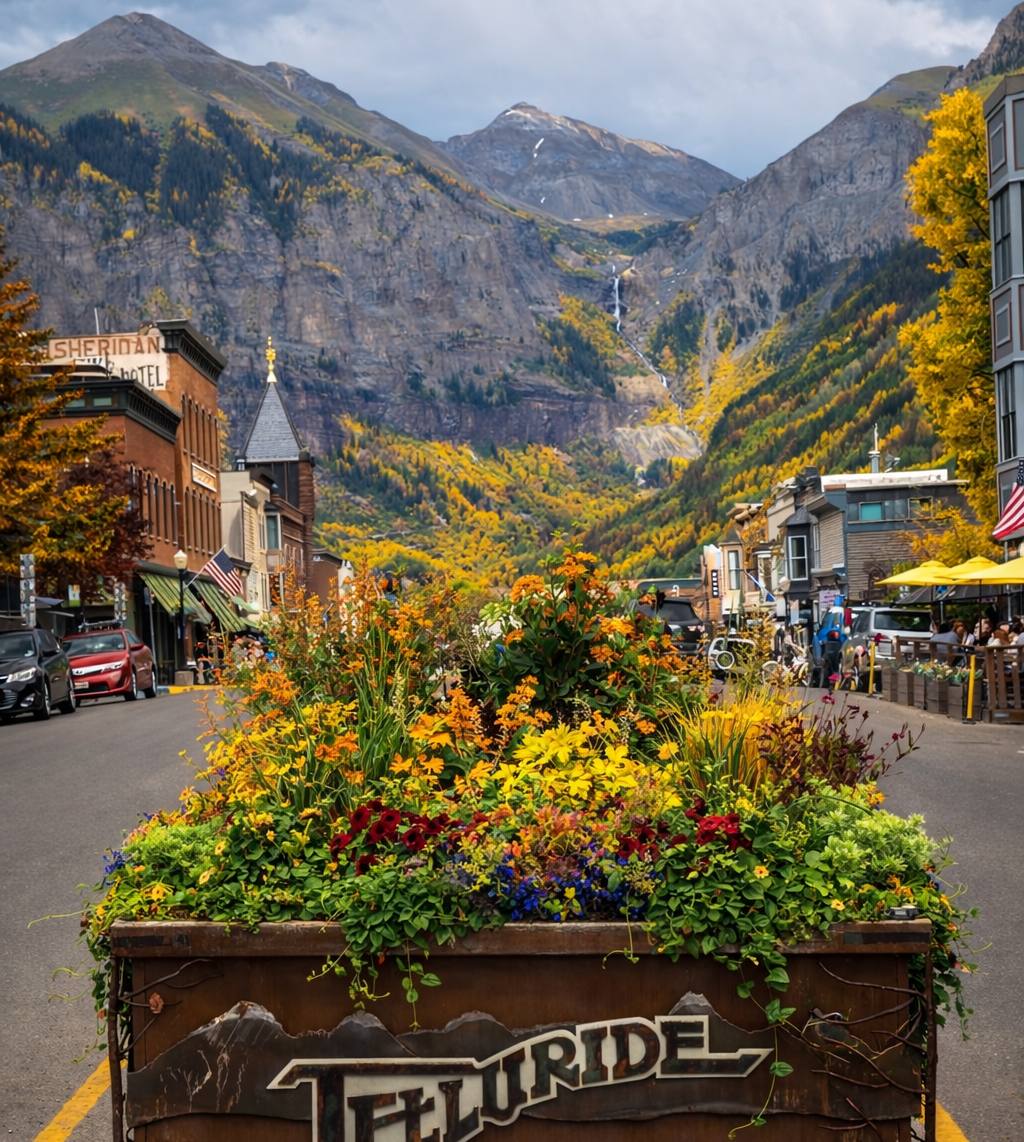

Exclusive Telluride Neighborhoods & Communities
Telluride is not defined by visibility, but by experience. It offers a way of life shaped by natural beauty, privacy, and a level of exclusivity that feels intentional rather than overt. Whether you are drawn to protected alpine views, direct ski access in Mountain Village, or the walkable charm of the historic core, Telluride’s neighborhoods each carry a distinct sense of place.
From secluded estates positioned above the valley to historic residences steps from dining, culture, and the gondola, each location reflects the town’s constrained geography and enduring appeal. Exploring these neighborhoods requires a clear understanding of how subtle differences in setting influence both lifestyle and long-term value.
Looking for a luxury home in Telluride?
Contact our team
today for access to private listings and expert guidance from top
Telluride luxury specialists.
The Telluride Luxury Buyer Profile
Who Acquires Property Here — and Why
Telluride attracts a highly specific and intentional buyer profile, shaped by its remoteness, limited inventory, and quiet positioning within the broader luxury market. While pricing is visible, motivations tend to be more private and deeply personal.
A significant portion of acquisitions are made by individuals and families who already maintain multiple residences. Telluride is rarely a first purchase. More often, it becomes a deliberate addition, a seasonal retreat, a mountain estate, or a long-term legacy property held for years and often passed across generations.
Telluride buyers tend to prioritize privacy over visibility. The appeal lies in discretion, protected surroundings, and a sense of separation that is difficult to replicate elsewhere. Ski access, walkability within the historic core or Mountain Village, and unobstructed alpine views consistently carry premium consideration, often outweighing interior scale alone.

Cash transactions are common at higher price tiers, though financing is present. Speed, certainty, and alignment typically influence outcomes more than marginal price differences. Well-positioned buyers arrive prepared, understanding that opportunities are limited and timing is not always predictable.
There is also a clear divide within the market:
- Some buyers seek turnkey residences that allow for immediate use with minimal oversight.
- Others pursue irreplaceable locations or legacy properties with long-term architectural or land-driven significance.
- A smaller but consistent segment views Telluride as a portfolio asset, prioritizing capital preservation within a highly constrained and insulated market.
International interest appears periodically, though the majority of activity is driven by domestic high-net-worth buyers who value privacy, access to nature, and a quieter form of luxury.
What defines this market is intentionality. Buyers are rarely impulsive. They are informed, measured, and often supported by advisory teams before making decisions.
Understanding this profile matters. It shapes negotiation strategy, timing, and the level of discretion required throughout the process.
Telluride is competitive, but in a quieter, more deliberate way. It rewards preparation and alignment.
Continue Your Search Across Colorado
Want to weigh your options? Explore how each market compares before making a decision.
Strategic Considerations Before Entering the Telluride Luxury Real Estate Market
What Serious Buyers Evaluate Early
Entering the Telluride luxury real estate market requires more than identifying a well-designed property. Acquisitions here are shaped by geographic isolation, strict development controls, and long-term ownership considerations that differ from most Colorado markets.
Buyers exploring Telluride high-end homes benefit from evaluating these variables early, before opportunities become competitive or limited.
Zoning, Historic Preservation, and Build Constraints
Telluride’s zoning framework, particularly within the historic core, is highly restrictive. Height limitations, lot coverage rules, and preservation overlays can significantly impact renovation and redevelopment potential.
In Mountain Village and surrounding areas, design guidelines and HOA structures add another layer of control. In many cases, long-term value is tied not only to the property itself, but to what cannot be built around it. Limited expansion capacity reinforces scarcity across the market.
Buyers considering renovations or new construction should evaluate allowable mass, approval timelines, and architectural constraints early in the process.
Alpine Ownership and Remote Market Logistics
Telluride’s high-elevation environment and relative remoteness introduce additional ownership considerations. Snow load, access during winter months, material transport, and contractor availability all influence both timelines and costs.
Unlike more accessible mountain markets, logistics here require more deliberate planning. Well-positioned acquisitions account for these factors upfront, particularly at higher price tiers where expectations for performance and maintenance are elevated.
Liquidity and Holding Horizon Expectations
Telluride operates with lower transaction volume than larger resort markets. Properties may take longer to trade depending on price point and positioning, though scarcity supports long-term value stability.
Buyers should approach Telluride with a clear holding horizon. This is a market where ownership is often measured in years rather than cycles, and where alignment matters more than timing short-term movements.
Short-Term Rental Regulations
Short-term rental regulations in Telluride vary between the town and Mountain Village, with licensing, zoning, and occupancy requirements differing by location and property type.
While some properties perform well within approved frameworks, not all homes are equally positioned for rental use. Buyers evaluating income potential should review current regulations and restrictions prior to acquisition.
Insurance & Environmental Risk Considerations
Telluride luxury properties are shaped by environmental factors unique to high-elevation, remote alpine markets. Wildfire exposure, snow load requirements, terrain stability, and drainage all influence both insurability and long-term ownership costs.
Rebuild valuations can be elevated due to construction logistics and limited contractor availability, particularly for custom homes in more secluded locations. Insurance coverage, availability, and premiums should be evaluated early as part of overall underwriting.
Understanding these risks upfront allows buyers to approach acquisition with greater clarity, ensuring that both protection and long-term maintenance expectations are properly aligned.
Ready to buy or sell in Telluride?
Contact us today for a free consultation!
Expect a response within the next business day.
Contact Us
Who Telluride Luxury Real Estate Is Not For
Clarifying Alignment in a Constrained Market
Telluride luxury real estate is not built around volume, rapid turnover, or short-cycle speculation.
Buyers entering this market primarily for quick resale margins or aggressive yield expectations may find other Colorado markets more aligned with those objectives. Inventory in Telluride is structurally limited, and pricing is influenced more by scarcity, location, and long-term ownership patterns than by short-term market momentum.
This is also not a market designed for passive decision-making. Well-positioned Telluride high-end homes, particularly within the historic core or Mountain Village, require preparedness, liquidity clarity, and decisive positioning when opportunities arise.
Investors seeking high short-term rental yield without regard for local regulations may encounter limitations. Rental frameworks vary by location and property type, and not all homes are positioned for high-turnover use. In many cases, Telluride luxury ownership is more closely aligned with lifestyle use and long-term asset preservation.
Telluride is best suited for buyers who value:
- Privacy over visibility
- Scarcity over expansion
- Location and positioning over rapid turnover
- Long-term asset stewardship over short-term movement
The Telluride luxury real estate market rewards alignment. When acquisition intent reflects the structural realities of the market, outcomes tend to be stable, intentional, and enduring.
Clarity at the outset protects both timing and expectation.

Telluride Luxury Real Estate Investment Perspective
Long-Term Value in a Supply-Constrained Market
Telluride luxury real estate behaves less like a traditional housing market and more like a highly constrained, low-volume asset class.
Geographic isolation, strict development controls, and limited buildable land within the box canyon and Mountain Village restrict meaningful supply growth. Expansion is not easily achieved, and the number of properties with premier positioning, whether defined by views, ski access, or walkability, remains inherently finite. This dynamic plays a central role in long-term value preservation across Telluride high-end homes.
While short-term fluctuations can occur, often influenced by broader economic conditions, pricing at the upper tiers is typically supported by strong owner holding power and limited distress-driven inventory. Properties tend to transact based on alignment rather than urgency, particularly at higher price points.

Buyers evaluating Telluride real estate investment opportunities generally approach acquisition with a long-term horizon. Many prioritize:
- Portfolio diversification through tangible assets
- Geographic diversification within a highly constrained market
- Legacy positioning for generational ownership
- Lifestyle utility combined with capital preservation
Liquidity in Telluride differs from more active resort markets. Transaction volume is lower, and days on market may extend depending on property type and positioning. However, well-located homes with strong views, ski access, or proximity to the historic core and Mountain Village continue to attract serious interest due to their limited availability.
It is important to recognize that Telluride luxury home ownership is rarely driven by yield alone. While rental strategies can be implemented where permitted, the primary driver at the upper tier is long-term asset stewardship within a uniquely constrained alpine environment.
For buyers aligned with that perspective, Telluride represents one of the most insulated and enduring luxury markets in the region.
Explore Telluride Luxury Real Estate with Confidence.
We provide market insight, property access, and disciplined acquisition strategy for buyers aligned with Telluride’s long-term value environment.
Comparing Telluride Luxury Property Types
Choosing the Right Structure for Your Objectives
Not all Telluride luxury real estate performs or functions the same way. In a market defined by limited supply and geographic constraint, property type plays a meaningful role in privacy, usability, maintenance complexity, and long-term positioning.
Understanding these distinctions early helps prevent misalignment in a low-volume, high-intent market.
Ski-In / Ski-Out Residences (Mountain Village)
Among the most competitive segments of the Telluride luxury market, ski-access properties offer direct connection to the resort and consistent demand due to limited availability.
Best suited for:
- Active seasonal users
- Buyers prioritizing direct ski access
- Long-term legacy positioning
Considerations:
- Snow management and seasonal exposure
- Proximity to lift infrastructure
- Higher wear from seasonal usage patterns
Hillside & Estate Properties (Mountain Village & Surrounding Areas)
Characterized by privacy, panoramic views, and larger parcels relative to the core.
Best suited for:
- Buyers prioritizing discretion and separation
- Long-term hold strategies
- View-driven positioning
Considerations:
- Terrain-driven maintenance and access
- Winter conditions and logistics
- Design guidelines or HOA oversight in certain areas
Historic Core Residences (Town of Telluride)
Defined by charm, walkability, and architectural character within a tightly preserved environment.
Best suited for:
- Buyers seeking walkability and cultural proximity
- Long-term ownership within a finite setting
- Properties with enduring location value
Considerations:
- Historic preservation regulations
- Limited expansion or redevelopment flexibility
- Closer proximity to neighboring properties
Redevelopment & Land-Driven Opportunities
Select Telluride luxury properties are acquired primarily for their location and underlying land value rather than the existing structure.
Best suited for:
- Buyers with architectural vision
- Long-term asset repositioning strategies
- Maximizing value within a constrained market
Considerations:
- Local zoning and preservation restrictions
- Approval timelines and entitlement processes
- Construction costs influenced by remote location and logistics
Interested in Colorado Golf Communities?
Click here to learn about what's available in your desired Colorado area.
Why Summit Colorado Realty
Advisory Positioning in Telluride’s Luxury Market
Navigating Telluride luxury real estate requires more than property access. It requires context, discretion, and disciplined positioning within a market defined by scarcity, geographic constraint, and low transaction volume.
Summit Colorado Realty approaches the Telluride luxury real estate market through an advisory lens. Each acquisition is evaluated within its broader landscape, including micro-location dynamics, view corridors, access, regulatory constraints, and long-term ownership considerations.
Rather than prioritizing transaction volume, our focus centers on alignment. That includes:
- Interpreting market conditions beyond visible inventory
- Evaluating positioning within the historic core and Mountain Village
- Assessing long-term value tied to scarcity and irreplaceable locations
- Structuring acquisitions with clarity and discretion
Telluride high-end homes often involve quiet, nuanced negotiation environments. Preparedness, financial clarity, and timing frequently influence outcomes more than marginal price adjustments.
We work closely with buyers to ensure that each acquisition reflects both lifestyle priorities and long-term positioning within one of Colorado’s most constrained luxury markets.
For those considering entry into Telluride, whether as a seasonal retreat, legacy property, or long-term investment, clarity should come first.
When alignment exists, execution becomes disciplined and efficient.

FAQs
How competitive is the Telluride luxury real estate market?
Telluride’s luxury market is highly competitive, though in a quieter and more controlled way than larger resort markets. Limited inventory and low transaction volume mean that well-positioned properties, particularly those with ski access, historic core proximity, or protected views, can attract strong and immediate interest. Competition is driven by scarcity and timing rather than volume.
What is the typical price range for Telluride luxury homes?
Telluride luxury real estate typically begins in the high seven-figure range and extends well into eight figures depending on location and positioning.
Luxury condominiums and townhomes, particularly in Mountain Village or within walking distance of the gondola, often fall within the mid to upper seven figures. Single-family homes in the historic core or premier Mountain Village locations generally start in the upper seven figures and can exceed eight figures for properties with exceptional views, ski access, or architectural significance.
At the highest tier, pricing is driven by irreplaceable location rather than scale alone.
Do Telluride luxury homes sell at or below asking price?
Outcomes vary by property, but well-positioned homes that are priced appropriately often transact near asking price. In certain cases, particularly for rare or highly desirable properties, competitive situations can develop. Properties that are misaligned on pricing or lack strong positioning may experience longer market exposure.
What are property taxes like for Telluride luxury homes?
Property taxes in Telluride are generally moderate relative to other luxury resort markets, though they scale with assessed value and location within San Miguel County or Mountain Village districts. For most luxury buyers, taxes are a manageable component of overall ownership.
How does seasonality impact the Telluride luxury real estate market?
Seasonality influences visibility more than demand. Winter and summer bring increased activity, though transactions occur throughout the year. Given the market’s low volume and high intentionality, acquisitions are often driven by opportunity rather than season, with some buyers preferring quieter periods for greater discretion.