
Snowmass, CO
Real Estate & Homes for Sale Near Aspen
Understanding Snowmass, CO
Snowmass, often referred to as Old Snowmass, sits just outside of Aspen, though it operates on an entirely different rhythm. It was never shaped around a resort or a central village, but rather around working land—ranches, open acreage, and parcels that were left largely intact as the Roaring Fork Valley evolved around them. That history still defines the area today. While Aspen and Snowmass Village developed with structure, density, and clear boundaries, Snowmass remained more loosely held, without a formal town center or uniform planning approach. It is often mistaken for Snowmass Village, but the distinction becomes clear quickly—this is not a resort environment, and it was never intended to be one.
That foundation carries directly into how the real estate market functions. Properties in Snowmass are not easily compared or categorized in the way they are in more structured markets. Each parcel tends to stand on its own, shaped by acreage, topography, access, water rights, and long-term usability rather than by neighborhood benchmarks or consistent pricing patterns. Inventory is limited, transactions are less frequent, and data segmentation is not as clean or reliable as it is in Aspen or Snowmass Village. As a result, the market operates with less visibility and requires a more interpretive approach. For buyers, that often means evaluating value beyond surface-level comparisons. For sellers, it means positioning a property with clarity rather than relying on broader market momentum. Snowmass remains a land-driven market, and for those seeking space, privacy, and proximity to Aspen without the structure of a resort setting, it continues to offer a type of ownership that is increasingly difficult to find.

Snowmass vs Aspen
Comparing Snowmass to Aspen is less about pricing and more about orientation—how you intend to live within the valley.
Aspen is highly structured. Zoning, density, and proximity define the ownership experience. It is walkable, socially active, and tightly held, with clear boundaries and consistent demand.
Snowmass operates on a different rhythm.
The landscape allows for more land, fewer constraints on spacing, and a greater degree of separation between properties. Access to restaurants, retail, and daily amenities is less immediate, but that distance is often intentional.
Ownership in Snowmass places greater emphasis on privacy, long-term use, and control over the environment.
For some buyers, Aspen remains the center of gravity.
For others, Snowmass represents a step away from it—without leaving the valley entirely.
Snowmass vs Snowmass Village
This is where clarity becomes essential.
Snowmass Village is a resort municipality, structured around ski access, planned development, and a centralized base. It offers a more defined ownership experience—walkability in certain areas, proximity to lifts, and access to amenities within a managed environment.
Snowmass (Old Snowmass) operates entirely outside of that framework.
There is no central village core, no ski-in/ski-out positioning, and no resort-driven density. Properties are more dispersed, with significantly larger parcels and fewer structural similarities between them.
The distinction is not subtle.
Buyers evaluating these two areas are not choosing between comparable options, but between fundamentally different ownership models.
Snowmass Village prioritizes access, convenience, and usability within a resort setting.
Snowmass prioritizes space, separation, and control over the land itself.
Looking for a luxury home in Snowmass?
Contact our team
today for access to private listings and expert guidance from top
Snowmass luxury specialists.
The Old Snowmass Luxury Buyer Profile
Who Acquires Property Here — and Why
Snowmass attracts a more specific and less visible luxury buyer profile, shaped by land, privacy, and long-term ownership rather than immediate access or resort-driven convenience. While proximity to Aspen remains a factor, motivations here tend to be more measured and deliberate.
A significant portion of acquisitions are made by individuals and families who already maintain multiple residences. Snowmass is rarely a first primary home purchase. More often, it becomes a secondary or tertiary property—selected for its ability to provide separation, control, and a quieter ownership experience within reach of Aspen.
Snowmass buyers tend to prioritize land and positioning over density and visibility. Acreage, topography, views, and long-term usability carry more weight than architectural scale alone. Properties that offer meaningful space, privacy, and flexibility—whether for personal use, legacy planning, or future development—consistently draw the strongest interest.

Cash is common, particularly at higher price points, though financing is still present depending on the structure of the acquisition. What defines the buyer here is not urgency, but clarity. Transactions are typically considered, and movement tends to occur when a property aligns precisely with both lifestyle intent and long-term positioning.
There is also a clear divide within the market:
- Some buyers seek established homes with immediate usability and minimal need for oversight.
- Others prioritize land acquisition, viewing the property as a longer-term hold or future build opportunity.
- A smaller but growing segment approaches Snowmass with a legacy mindset, focusing on generational use, land preservation, and controlled development over time.
Demand is primarily domestic, with many buyers coming from Colorado, Texas, and California. The draw is consistent—access to Aspen without participation in its density, and the ability to own land in a way that is increasingly limited in resort-adjacent markets.
What unifies this buyer profile is intention. Purchases are not driven by visibility or convenience, but by how the property functions over time—how it is used, how it is held, and what it becomes.
Understanding this profile matters. It directly influences negotiation dynamics, property positioning, and the level of patience often required throughout the transaction process.
Snowmass does not operate with the same pace as resort markets. It rewards alignment, discipline, and a clear understanding of what the land represents.
Strategic Considerations Before Entering the Snowmass Luxury Real Estate Market
What Serious Buyers Evaluate Early
Entering the Snowmass luxury real estate market requires a different level of evaluation than resort-based environments. Acquisitions here are shaped by land characteristics, access, and long-term usability rather than ski infrastructure or centralized amenities.
Buyers exploring Snowmass properties benefit from evaluating these variables early—before narrowing in on specific opportunities, where differences between properties become more pronounced and less comparable.
Zoning, Development, and Planned Infrastructure
Snowmass operates under Pitkin County regulations, with zoning that is less uniform than in Aspen or Snowmass Village. Parcels vary significantly in size, allowable use, and development potential.
In many cases, long-term value is tied not only to the existing residence, but to what the land allows over time. Setbacks, subdivision potential, conservation easements, and building envelopes can all influence how a property can be used or expanded.
Buyers should evaluate zoning designations, land use restrictions, and any recorded easements early in the process. Unlike resort markets, these variables are not standardized—and they materially affect long-term flexibility.
Access, Topography, and Year-Round Usability
Access in Snowmass is not uniform. Road conditions, elevation, driveway grade, and seasonal maintenance all play a role in how a property functions throughout the year.
Topography also directly impacts usability. Sloped parcels, sun exposure, drainage patterns, and build site positioning influence both the current residence and any future improvements.
Well-positioned acquisitions account for how the property performs in all seasons—not just at first impression.
Water Rights, Utilities, and Infrastructure
Infrastructure in Snowmass varies by property. While some homes are well-integrated with modern utilities, others rely on wells, septic systems, or alternative service configurations.
Water rights, in particular, can carry significant importance depending on the property type and intended use. Irrigation, livestock, or land management needs may depend on rights that are not always immediately visible.
Buyers should evaluate utility access, system condition, and long-term serviceability early, as these factors can influence both usability and cost of ownership over time.
Holding Horizon & Exit Liquidity
Snowmass operates with lower transaction volume and less pricing uniformity than Aspen or Snowmass Village. Properties do not trade on the same frequency, and comparable sales may be limited.
As a result, liquidity should be viewed differently.
Well-positioned properties—those with strong land characteristics, access, and usability—tend to hold value effectively, but transaction timelines can be longer depending on market conditions and buyer alignment.
Acquisitions are generally strongest when approached with a longer holding horizon, where the property’s utility and land value can fully materialize over time.
Environmental & Land-Based Considerations
Ownership in Snowmass comes with environmental variables tied to elevation, terrain, and seasonal conditions. Snow load, drainage, wildfire exposure, and soil stability all play a role in long-term durability and maintenance.
Construction quality, road access, and defensible space planning are critical components of due diligence.
Unlike more structured markets, these considerations are not secondary—they are part of the property itself. Understanding how the land behaves over time is essential to both preservation and long-term performance.
Ready to buy or sell in Snowmass?
Contact us today for a free consultation!
Expect a response within the next business day.
Contact Us
Who Snowmass Luxury Real Estate Is Not For
Clarifying Alignment in a Land-Driven Market
Snowmass luxury real estate is not built for short-term speculation or passive ownership without a clear plan for how the land will be used.
Buyers entering this market solely for quick resale margins, without regard for acreage, access, or long-term usability, often find misalignment. While proximity to Aspen supports demand, pricing in Snowmass is driven less by momentum and more by the intrinsic qualities of the property itself—land composition, positioning, and functional use over time.
This is also not a market where passive decision-making is rewarded. Inventory is limited, properties are not easily comparable, and opportunities require a clear understanding of what constitutes long-term value. Well-positioned acquisitions tend to be made by buyers who are prepared, deliberate, and aligned before entering negotiations.
Investors seeking predictable or high-yield rental performance may also encounter limitations. Snowmass is not structured around short-term rental optimization in the same way as resort markets. Regulations, property types, and location-specific factors can significantly influence income potential, and many properties are not designed with rental use as a primary function.
Snowmass is best suited for buyers who value:
- Land and long-term control over short-term liquidity
- Privacy and separation over proximity to amenities
- Functional use of the property over visibility or status
- Strategic positioning over reactive timing
The Snowmass luxury real estate market rewards clarity and patience. When acquisition intent aligns with how the property will be held and used over time, outcomes tend to be more stable and more durable.
Approaching the market without that alignment often leads to friction—both in the search process and in ownership itself.
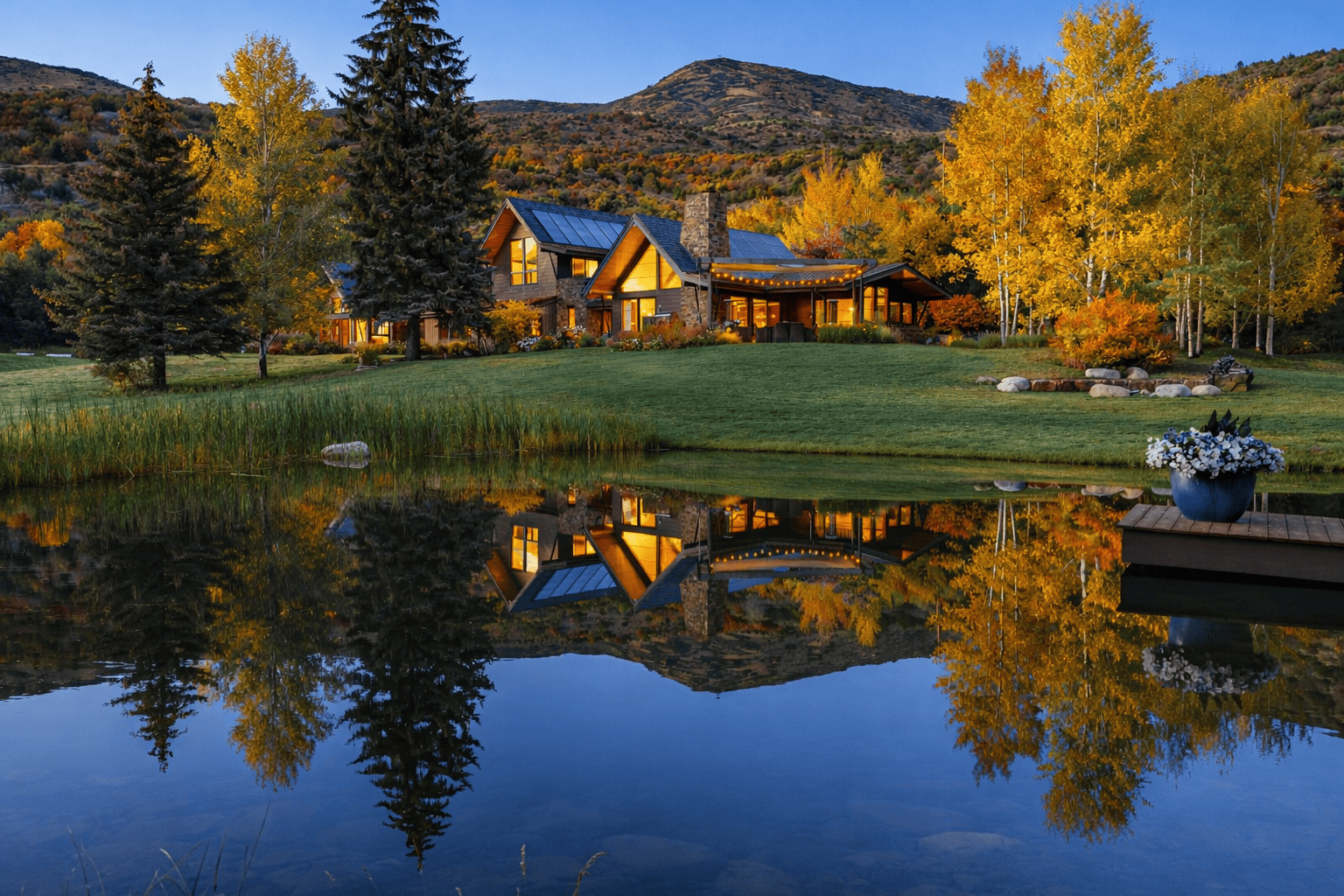
Snowmass Luxury Real Estate Investment Perspective
Long-Term Value in a Land-Constrained Environment
Snowmass luxury real estate occupies a different position than resort-driven markets, balancing lifestyle ownership with long-term land-based value.
While it does not operate under the same development constraints as Aspen, supply is naturally limited by parcel size, zoning restrictions, and the finite availability of usable land within close proximity to the valley. There is no large-scale expansion pipeline, and new inventory is typically created through individual redevelopment rather than coordinated growth.
As a result, long-term value is less tied to infrastructure and more dependent on the characteristics of the land itself—acreage, positioning, access, and overall usability.
Short-term fluctuations can occur, often influenced by broader economic conditions and discretionary luxury spending. However, pricing at the upper tiers is generally supported by a consistent, if narrower, buyer pool seeking privacy, control, and proximity to Aspen without participation in a resort environment.

Buyers evaluating Snowmass luxury real estate typically approach acquisition with a more deliberate, long-term perspective. Many prioritize:
- Personal use with flexibility across seasons
- Land ownership and future optionality
- Privacy and separation within a limited-inventory environment
- Long-term positioning in a market where supply is inherently constrained
Liquidity in Snowmass differs from Aspen and Snowmass Village. Transaction volume is lower, and timelines can be less predictable due to the uniqueness of each property and the smaller buyer pool.
However, well-positioned properties—those with strong land characteristics, access, and usability—tend to maintain value effectively and attract qualified buyers when properly aligned with demand.
Properties with meaningful acreage, usable topography, and clear long-term utility often demonstrate the most durable performance, particularly when combined with proximity to Aspen and ease of access.
It is important to recognize that Snowmass ownership is not yield-driven. While some properties may offer limited income potential, the market is not structured around rental performance.
Long-term value is most effectively realized through alignment—between how the property is used, how it is held, and how the land itself supports that ownership over time.
For buyers aligned with that perspective, Snowmass represents a more private and controlled segment of the Aspen-area market—one where land, rather than infrastructure, ultimately defines value.
Explore Snowmass Luxury Real Estate with Confidence.
We provide market insight, property access, and disciplined acquisition strategy for buyers aligned with Snowmass’ long-term value environment.
Comparing Snowmass Luxury Property Types
Choosing the Right Structure for Your Objectives
Not all Snowmass luxury real estate functions the same way. Property type in this market is defined less by category and more by land composition, usability, and long-term intent.
Acreage, access, infrastructure, and build potential often influence ownership experience as much as the residence itself.
Understanding these distinctions early is important in a market where properties are less comparable and each acquisition carries a more individualized set of considerations.
Acreage Estates & Ranch Properties
Among the most defining segments of the Snowmass market, these properties are built around land—often with multiple acres, functional infrastructure, and long-term flexibility.
Best suited for:
- Buyers prioritizing privacy and separation
- Equestrian or land-based use
- Long-term or generational ownership
Considerations:
- Ongoing land and property management
- Infrastructure requirements (wells, septic, access roads)
- Variability in zoning and land use allowances
Custom-Built Homes on Large Parcels
These properties combine residential design with meaningful land ownership, often positioned for views, sun exposure, and overall usability.
Best suited for:
- Buyers seeking a primary residence or extended seasonal use
- Those prioritizing design, layout, and long-term comfort
- Ownership with flexibility across seasons
Considerations:
- Property-specific access and topography
- Maintenance across larger parcels
- Limited comparables for valuation
Land & Development Parcels
Vacant or underutilized land represents a smaller but important segment of the Snowmass market, often acquired with a forward-looking perspective.
Best suited for:
- Buyers planning custom construction
- Long-term land holds
- Strategic acquisition based on positioning and future use
Considerations:
- Zoning, building envelopes, and setback requirements
- Utility access and development costs
- Timeline from acquisition to completion
Legacy & Generational Properties
A distinct segment within Snowmass, these properties are often held over extended periods and acquired with long-term family use in mind.
Best suited for:
- Multi-generational ownership
- Buyers focused on preservation and continuity
- Properties intended to be held rather than actively traded
Considerations:
- Lower transaction frequency and liquidity
- Emphasis on stewardship and long-term planning
- Value tied closely to land characteristics rather than market cycles
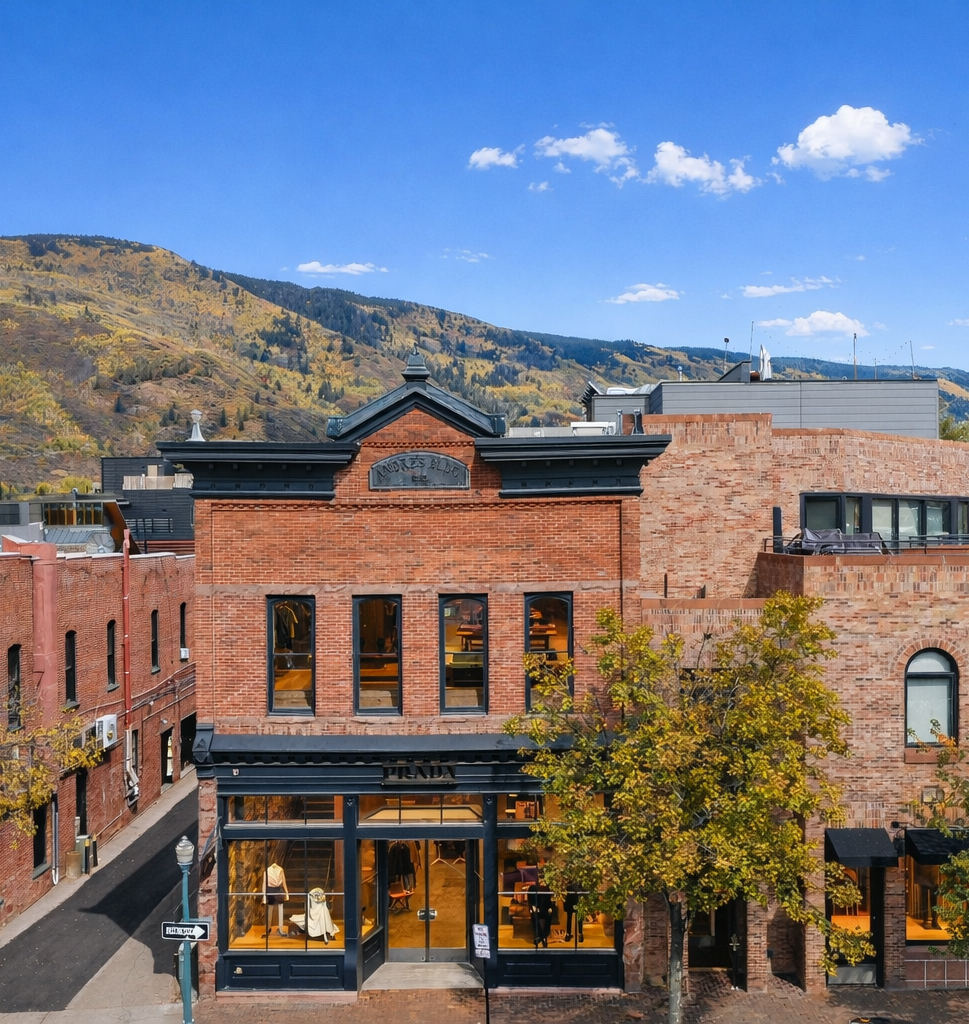
Why Summit Colorado Realty
Advisory Positioning in Snowmass’ Luxury Market
Navigating Snowmass luxury real estate requires more than property access. It requires context, interpretation, and disciplined positioning within a land-driven environment where each property operates on its own terms.
Summit Colorado Realty approaches the Snowmass market through an advisory lens. Each acquisition is evaluated within its broader landscape—including acreage, topography, access, zoning considerations, and long-term usability.
Rather than prioritizing transaction volume, our focus centers on alignment. That includes:
- Interpreting value beyond headline pricing, particularly as it relates to land characteristics and functional use
- Evaluating property positioning based on access, terrain, and long-term flexibility
- Assessing durability of value within a low-volume, limited-inventory environment
- Structuring acquisitions with clarity, discretion, and long-term perspective
Snowmass properties often involve more nuanced evaluation than resort-driven markets. Differences in land composition, infrastructure, and usability can materially impact both ownership experience and long-term performance.
Preparedness, financial clarity, and a well-defined acquisition strategy tend to influence outcomes more than incremental pricing adjustments.
We work closely with buyers to ensure that each acquisition reflects both lifestyle priorities and long-term positioning—aligned with how the property will actually be used and held over time.
For those considering entry into Snowmass—whether as a private residence, land acquisition, or long-term hold—clarity precedes commitment.
When alignment exists, ownership becomes both intentional and enduring.

FAQs
How competitive is the Snowmass luxury real estate market?
Snowmass is competitive in a quieter, more selective way than Aspen or Snowmass Village.
Inventory is limited and highly varied, which means competition tends to concentrate around specific properties rather than the market as a whole. When a well-positioned property becomes available—particularly one with strong land characteristics, access, and usability—qualified buyers tend to move decisively.
Outside of those moments, the market operates at a more measured pace, with longer evaluation periods and less uniform pressure across listings.
What is the typical price range for Snowmass luxury homes?
Snowmass does not follow a clean or consistent pricing structure.
Values can vary significantly depending on acreage, topography, access, improvements, and overall positioning. Properties may range from lower eight figures for smaller or less improved parcels to significantly higher for large-scale estates or well-located land with substantial usability.
Rather than a defined range, pricing in Snowmass is best understood through the characteristics of the land and how the property functions over time.
Do Snowmass luxury homes sell at or below asking price?
Outcomes in Snowmass are highly property-specific.
Well-positioned properties—those with strong land attributes, access, and long-term usability—can transact near asking price when aligned with buyer demand. However, given the uniqueness of each property, negotiation is often influenced by how clearly value is understood rather than by broader market trends.
Properties that are less aligned or more difficult to interpret may require pricing adjustments or extended time on market.
What are property taxes like for Snowmass luxury homes?
Property taxes in Snowmass are determined at the county level and vary based on assessed value, property type, and any applicable exemptions.
While tax levels are generally consistent with the broader Aspen area, they should always be evaluated on a property-specific basis—particularly for larger parcels or properties with additional land use considerations.
For most buyers in this segment, taxes are a factor, but not typically a primary constraint.
How does seasonality impact the Snowmass luxury real estate market?
Seasonality has less influence on Snowmass than it does in resort-driven markets.
While activity may increase during peak periods when buyers are in the valley, transactions are not tied to ski season or tourism cycles in the same way as Snowmass Village or Aspen.
Because ownership here is less dependent on immediate use, acquisitions tend to occur throughout the year, often driven more by alignment with the right property than by timing alone.
In Snowmass, timing can influence visibility—but alignment ultimately drives decisions.